


Content Menu
● Understanding Apparel Production Platforms
>> What Is an Apparel Production Platform?
>> Key Features
>> Why Use an Apparel Production Platform?
● Step 1: Defining Your Brand Identity and Strategy
>> Integrating with the Platform
● Step 2: Product Development and Design Management
>> Ideation and Concept Development
>> Leveraging Data Analytics for Product Improvement
● Step 3: Sourcing and Supplier Collaboration
>> Risk Management in Sourcing
● Step 4: Production Planning and Quality Control
>> Enhancing Production Efficiency Through Automation
● Step 5: Supply Chain Management and Logistics
>> Sustainability in Supply Chain Management
● Step 6: Launching and Scaling Your Brand
>> Feedback and Continuous Improvement
>> Leveraging Technology for Competitive Advantage
● FAQ
>> 1. What is an Apparel Production Platform and how does it benefit my brand?
>> 2. How does the platform improve supply chain visibility?
>> 3. Can I use my existing suppliers with an Apparel Production Platform?
>> 4. What role does the platform play in quality control?
>> 5. Is an Apparel Production Platform suitable for small brands or startups?
In today’s hyper-competitive fashion landscape, building a successful apparel brand requires more than just a creative vision. It demands operational excellence, technical expertise, and seamless collaboration across the supply chain. This is where an Apparel Production Platform becomes indispensable. By leveraging these digital solutions, brands can streamline product development, enhance supply chain visibility, and accelerate time to market—all while maintaining quality and cost-effectiveness.
This comprehensive guide will walk you through the step-by-step process of building your brand using an Apparel Production Platform. We’ll explore technical best practices, supply chain insights, and product development strategies, ensuring you’re equipped to turn your vision into a thriving business.
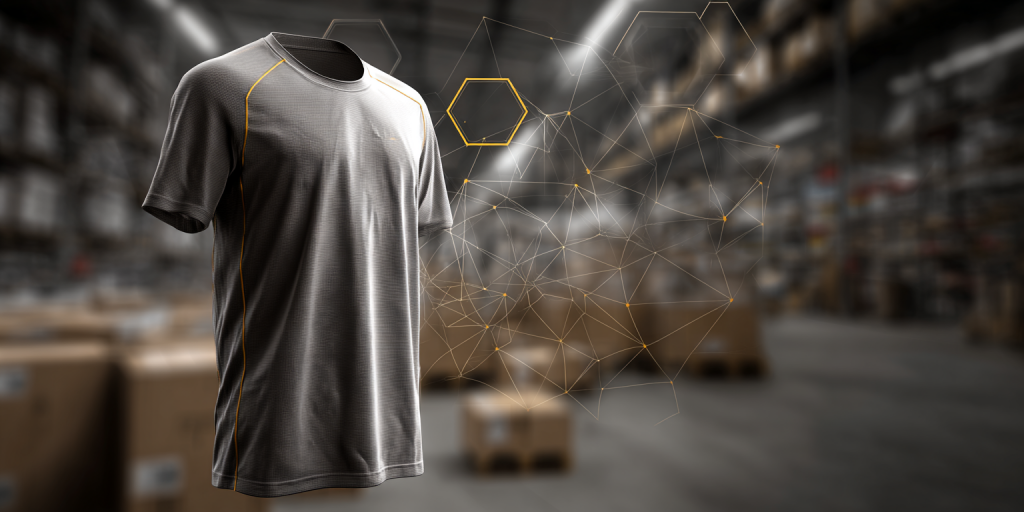
An Apparel Production Platform is a digital ecosystem designed to connect fashion brands with manufacturers, suppliers, and service providers. These platforms offer a suite of tools for managing the entire product lifecycle—from initial concept to finished goods—enabling real-time communication, document sharing, order tracking, and quality assurance.
– Product and Variant Management: Organize collections, manage tech packs, and centralize documentation.
– Supplier Marketplace: Access a curated network of manufacturers and material suppliers.
– Order and Production Tracking: Monitor progress, timelines, and costs with transparency.
– Collaboration Tools: Streamline communication with built-in chat and file-sharing capabilities.
– Quality and Compliance Management: Ensure standards are met at every production stage.
– Efficiency: Reduce manual processes and errors.
– Transparency: Gain real-time visibility into every step.
– Scalability: Easily manage growth and new product lines.
– Cost Control: Optimize sourcing and minimize waste.
Before engaging with an Apparel Production Platform, it’s crucial to establish a clear brand identity and business strategy. Consider the following:
– Target Market: Who are your customers? What are their needs and preferences?
– Brand Values: Are you focused on sustainability, luxury, affordability, or innovation?
– Unique Selling Proposition: What sets your brand apart in a crowded market?
– Short-Term: Launching your first collection, building brand awareness.
– Long-Term: Expanding product lines, entering new markets, achieving operational excellence.
Most Apparel Production Platforms allow you to create digital profiles reflecting your brand’s ethos, product categories, and sourcing preferences. This ensures alignment with compatible suppliers and manufacturers, enabling a tailored production experience that supports your brand’s unique positioning.
– Market Research: Use the platform’s analytics and trend forecasting tools to identify market gaps and consumer trends. This data-driven approach minimizes risk by aligning product concepts with real consumer demand.
– Mood Boards and Inspiration: Digitally compile visual references and inspirations to guide your design process, ensuring the creative team and suppliers share a unified vision.
– Tech Packs: Develop detailed technical specifications, including measurements, materials, construction details, and artwork. Platforms like Sqetch and SupplyCompass enable you to upload, share, and update tech packs in real time, reducing miscommunication and production errors.
– Prototyping: Collaborate with product developers and sample makers to create prototypes. Digital feedback loops speed up revisions and approvals, allowing for agile iteration cycles.
– Fit Testing: Coordinate sample fittings, gather feedback, and iterate designs within the platform. This centralized approach ensures all stakeholders have access to the latest versions and comments.
– Compliance: Ensure all designs meet regulatory and quality standards, leveraging built-in compliance checklists and documentation tools. This is especially critical for brands targeting international markets with varying regulations.
Advanced Apparel Production Platforms often incorporate analytics that track product performance metrics such as sample approval rates, production lead times, and defect rates. By analyzing this data, brands can identify bottlenecks and areas for improvement in the product development cycle, leading to higher quality and faster turnaround.
– Supplier Discovery: Search curated marketplaces for manufacturers and material suppliers that match your quality, price, and sustainability criteria. Platforms often vet suppliers to ensure compliance with industry standards.
– Due Diligence: Review supplier profiles, certifications, and past performance ratings. This transparency reduces the risk of partnering with unreliable vendors.
– Onboarding: Invite your chosen suppliers and manufacturers onto the platform for seamless collaboration. This digital integration fosters real-time communication and document exchange.
– Negotiation: Use integrated chat and document-sharing features to negotiate terms, pricing, and lead times. The platform’s audit trails help maintain accountability.
– Component Management: Source fabrics, trims, and accessories directly through the platform, consolidating orders to optimize pricing and logistics. Bulk ordering capabilities can reduce costs and simplify inventory management.
– Sustainability: Filter suppliers based on eco-friendly practices and certifications, ensuring alignment with your brand values. Many platforms provide sustainability scorecards to help brands make informed sourcing decisions.
An Apparel Production Platform helps mitigate risks by providing supplier performance data, enabling brands to diversify their supplier base and avoid over-reliance on single sources. This flexibility is crucial in managing disruptions caused by geopolitical issues, natural disasters, or pandemics.

– Production Scheduling: Plan and allocate production runs, set milestones, and monitor progress in real time. This proactive approach helps prevent delays and ensures timely delivery.
– Capacity Planning: Match your production needs with supplier capabilities, minimizing bottlenecks and delays. Platforms often include resource forecasting tools to optimize factory utilization.
– Sample Approval: Review and approve pre-production samples digitally, documenting all feedback and revisions. This creates a clear audit trail and reduces miscommunication.
– In-Line Inspections: Schedule and track quality checks at various production stages, ensuring adherence to specifications and timelines. Some platforms integrate third-party inspection services for impartial quality verification.
– Issue Resolution: Address defects or non-conformities promptly, leveraging the platform’s communication and documentation tools. This speeds up corrective actions and reduces costly reworks.
– Budget Tracking: Monitor costs at each stage, from materials to labor to logistics. Real-time cost visibility helps brands stay within budget and make informed decisions.
– Waste Reduction: Use data analytics to identify inefficiencies and minimize material waste. Sustainable production practices not only reduce environmental impact but also improve profitability.
Many Apparel Production Platforms incorporate automation features such as automated order confirmations, invoice generation, and shipment notifications. These reduce administrative overhead and free up resources to focus on strategic growth.
– Order Tracking: Monitor the status of all orders, shipments, and deliveries in a centralized dashboard. This transparency enables proactive management and rapid response to delays.
– Inventory Management: Track inventory levels across suppliers, manufacturers, and warehouses, reducing the risk of stockouts or overproduction. Integrated inventory systems support just-in-time manufacturing models.
– Shipping Integration: Coordinate with logistics providers for timely and cost-effective delivery. Platforms often provide shipping quotes, booking, and tracking within the same interface.
– Last-Mile Delivery: Ensure products reach retailers or end-customers efficiently, leveraging platform integrations with shipping partners. This is critical for maintaining customer satisfaction and brand reputation.
– Scenario Planning: Use forecasting tools to anticipate disruptions, demand spikes, or supply shortages. Simulation features allow brands to test different scenarios and prepare contingency plans.
– Supplier Diversification: Maintain a network of backup suppliers to safeguard against unforeseen events. The platform’s supplier database simplifies identifying and onboarding alternatives quickly.
Leading Apparel Production Platforms emphasize sustainable logistics by offering options for carbon-neutral shipping, optimizing route planning, and consolidating shipments to reduce environmental impact. Brands can track their supply chain’s carbon footprint and report on sustainability metrics to stakeholders.
– Product Launch: Use the platform to coordinate launch timelines, marketing assets, and distribution plans. Centralized task management ensures all teams are aligned.
– Omnichannel Integration: Sync inventory and order data with e-commerce platforms, retail partners, and marketplaces for a unified customer experience. This integration supports seamless order fulfillment and inventory updates.
– Customer Insights: Collect sales and customer feedback to inform future product development. Platforms may integrate with CRM and analytics tools to provide actionable insights.
– Iterative Development: Rapidly update and relaunch products based on market response, leveraging the agility of the Apparel Production Platform. This approach fosters innovation and responsiveness.
– New Collections: Easily replicate workflows for new product lines or seasonal collections. Templates and automation reduce setup time and errors.
– International Expansion: Tap into a global network of suppliers and logistics providers to enter new markets with confidence. Localization features help manage language, currency, and regulatory differences.
Incorporating AI and machine learning, some Apparel Production Platforms offer predictive analytics for demand forecasting, automated quality inspection via image recognition, and smart sourcing recommendations. These technologies empower brands to stay ahead of trends and optimize operations continuously.
Building a successful apparel brand in today’s dynamic market is both an art and a science. By harnessing the power of an Apparel Production Platform, you unlock unprecedented efficiency, transparency, and scalability. These platforms empower brands to innovate rapidly, collaborate seamlessly, and deliver exceptional products to market—on time and on budget. From defining your brand identity to scaling internationally, an Apparel Production Platform serves as the backbone of your operational excellence and growth strategy.
Ready to elevate your brand and streamline your operations? Discover how an Apparel Production Platform can transform your business. Contact us today for a personalized consultation and take the first step toward building a brand that stands out in the global marketplace.

An Apparel Production Platform is a digital solution that connects brands with manufacturers and suppliers, centralizing product development, sourcing, and production management. It streamlines workflows, enhances transparency, and accelerates time to market, helping brands reduce costs and improve product quality.
By digitizing every stage of the supply chain, the platform provides real-time tracking of orders, inventory, and shipments. This transparency reduces delays, minimizes errors, and helps brands respond quickly to market changes and disruptions.
Yes. Many platforms allow you to onboard your own suppliers and manufacturers, enabling seamless collaboration while maintaining established relationships and leveraging existing trust and quality standards.
The platform facilitates digital sample approvals, in-line inspections, and documentation of quality checks. This ensures that products meet your specifications and quality standards at every stage of production, reducing defects and costly reworks.
Absolutely. These platforms are designed to be scalable and user-friendly, making them ideal for brands of all sizes. They help small brands access a global network of suppliers, manage costs efficiently, and compete effectively in the market.
Hot tags: Apparel Brand Building Steps, Fashion Startup Planning, Clothing Line Development, Fashion Brand Strategy Tools, Garment Business Launch Plan, Apparel Process Overview, Fashion Tech Workflow, Step-by-Step Fashion Guide, Online Apparel Development, Startup Fashion Toolkit