


Content Menu
● Understanding Fashion Manufacturing Services
>> What Are Fashion Manufacturing Services?
● Why Fashion Manufacturing Services Matter
>> Accelerating Time-to-Market
● The Technical Backbone: From Concept to Consumer
>> Product Development Expertise
● Choosing the Right Fashion Manufacturing Partner
● Supply Chain Optimization with Fashion Manufacturing Services
● Case Study: Launching a Successful Fashion Line
● Common Challenges and Solutions
>> Challenge 1: Sourcing Sustainable Materials
>> Challenge 2: Managing Production Delays
>> Challenge 3: Maintaining Brand Consistency
>> Challenge 4: Balancing Cost and Quality
>> Challenge 5: Navigating International Compliance
● The Future of Fashion Manufacturing Services
>> 1. What are the main benefits of using Fashion Manufacturing Services?
>> 2. How do I choose the right manufacturing partner for my brand?
>> 3. Can Fashion Manufacturing Services accommodate small batch orders?
>> 4. What role do Fashion Manufacturing Services play in sustainability?
>> 5. How long does the production process typically take?
Launching a fashion brand is an ambitious endeavor, one that requires more than just creative vision. The journey from concept to consumer hinges on the seamless integration of design, production, and logistics. At the heart of this process lies Fashion Manufacturing Services—the backbone of successful product development and market entry. This article explores the critical role these services play in the fashion industry, offering technical insights, supply chain expertise, and practical guidance for emerging brands.
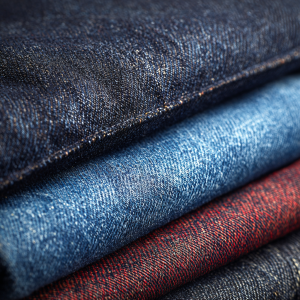
Fashion Manufacturing Services encompass a comprehensive suite of solutions that transform design concepts into tangible products. These services include pattern making, sample development, sourcing of materials, garment production, quality control, packaging, and logistics. Whether you are a startup or an established brand, leveraging professional manufacturing services ensures efficiency, scalability, and product consistency.
Fashion manufacturing is not a one-step process but a carefully coordinated series of stages that require technical precision and industry know-how. From the initial sketches to the final shipment, these services enable brands to navigate the complex landscape of apparel production with confidence.
– Design Consultation: Translating creative ideas into production-ready designs, including technical drawings and specification sheets.
– Material Sourcing: Identifying and procuring high-quality fabrics, trims, and accessories that meet design and performance criteria.
– Pattern Making & Grading: Creating accurate technical patterns for each garment size, ensuring proper fit and style consistency.
– Sample Development: Producing prototypes for fit, fabric testing, and quality assessment before mass production.
– Bulk Production: Managing large-scale garment manufacturing with attention to detail and efficiency.
– Quality Assurance: Implementing rigorous checks at every stage of production to maintain standards.
– Packaging & Logistics: Coordinating packaging solutions, inventory management, and shipping to ensure timely delivery.
In the competitive fashion industry, product quality is a critical differentiator. Professional Fashion Manufacturing Services deploy advanced machinery, skilled labor, and strict quality control protocols to minimize defects and ensure consistency across every piece. This commitment to quality not only protects brand reputation but also enhances customer satisfaction and loyalty.
Quality control involves multiple checkpoints, including fabric inspection, in-line production monitoring, and final garment audits. By partnering with experienced manufacturers, brands can reduce returns, complaints, and costly reworks.
Speed is a competitive advantage in fashion, where trends evolve rapidly. Efficient manufacturing partners streamline the production timeline, enabling brands to respond quickly to market demand and seasonal shifts. From rapid prototyping to optimized production scheduling, Fashion Manufacturing Services help brands launch collections faster without sacrificing quality.
Reducing lead times also allows brands to test new concepts with limited risk, enabling agile responses to consumer feedback and market trends.
Cost control is essential, especially for emerging brands with limited budgets. By leveraging economies of scale, established Fashion Manufacturing Services can negotiate better prices for materials and labor, reducing overall production costs without compromising quality.
Manufacturers also help brands avoid hidden costs such as overproduction, excess inventory, and inefficient workflows. Transparent pricing models and detailed cost breakdowns empower brands to plan budgets accurately.
Manufacturing is fraught with risks—supply chain disruptions, quality issues, regulatory compliance, and fluctuating material costs. Experienced service providers anticipate challenges and implement contingency plans to protect your investment.
For example, diversified sourcing strategies reduce dependency on single suppliers, while advanced quality control minimizes the risk of defective products reaching the market. Compliance with international labor and environmental standards also safeguards brand integrity.
A successful product launch begins with robust development processes. Fashion Manufacturing Services offer:
– Technical Design Support: Utilizing CAD software to create detailed tech packs and specification sheets that communicate precise measurements, materials, and construction details.
– Prototype Iteration: Producing multiple sample rounds to perfect fit, comfort, and construction, ensuring the final product aligns with the designer’s vision.
– Material Testing: Conducting rigorous tests on fabrics and trims to verify durability, colorfastness, shrinkage, and compliance with safety standards.
This technical expertise bridges the gap between creative design and practical manufacturing, reducing costly errors and delays.
Navigating the global supply chain requires expertise and strategic planning:
– Vendor Management: Selecting reliable suppliers for materials and components based on quality, cost, and delivery performance.
– Lead Time Optimization: Balancing speed with cost and quality by scheduling production phases efficiently and anticipating bottlenecks.
– Sustainability Initiatives: Integrating eco-friendly practices such as sourcing organic fabrics, reducing waste, and ensuring ethical labor conditions.
Manufacturers with deep supply chain knowledge help brands avoid common pitfalls like raw material shortages, customs delays, and fluctuating freight costs.
Efficient production management is essential for meeting deadlines and maintaining quality:
– Capacity Planning: Assessing manufacturing capabilities to scale production according to demand fluctuations, avoiding overproduction or stockouts.
– Process Automation: Utilizing cutting-edge technology for fabric cutting, sewing, and finishing to increase precision and reduce labor costs.
– Quality Control Systems: Implementing real-time monitoring, defect tracking, and corrective action protocols to maintain high standards throughout production.
Effective production management ensures that the final product meets design specifications and customer expectations.
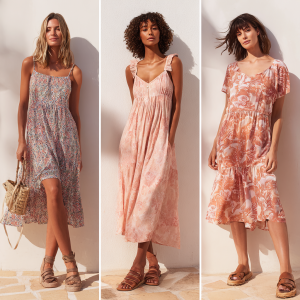
Selecting the right manufacturing partner is a strategic decision that impacts every aspect of your brand’s success. Consider the following factors:
– Experience & Portfolio: Review past projects, client testimonials, and industry reputation to gauge expertise.
– Technical Capabilities: Assess machinery, workforce skill level, certifications (such as ISO or WRAP), and ability to handle your product’s complexity.
– Communication: Ensure clear, responsive, and transparent interactions to avoid misunderstandings and delays.
– Flexibility: Ability to handle small and large orders, custom designs, and last-minute changes.
– Sustainability: Commitment to ethical labor practices, environmental responsibility, and transparency.
– Lack of transparency in pricing or timelines.
– Inconsistent quality in samples or production runs.
– Poor communication or delayed responses.
– No clear quality assurance or compliance processes.
– Unwillingness to provide references or factory audits.
Integrating Fashion Manufacturing Services into your supply chain offers significant advantages:
– Centralized Coordination: One-stop management from sourcing to delivery reduces complexity and improves accountability.
– Reduced Lead Times: Faster turnaround through efficient workflow management and digital tools.
– Inventory Control: Just-in-time production minimizes excess stock, reduces storage costs, and lowers risk of obsolescence.
Modern manufacturing partners utilize advanced technologies to enhance efficiency and transparency:
– ERP Systems: Enterprise Resource Planning software provides real-time inventory, order tracking, and production status updates.
– Digital Sampling: 3D prototyping and virtual sampling reduce the need for physical samples, saving time and resources.
– Data Analytics: Demand forecasting and production planning tools help optimize inventory levels and reduce waste.
These technologies enable brands to make data-driven decisions and improve supply chain responsiveness.
Consider a startup designer who partnered with a full-service Fashion Manufacturing Services provider to launch their debut collection. The manufacturer handled everything from fabric sourcing to final packaging. By leveraging their expertise, the brand achieved:
– On-time delivery despite global supply chain disruptions.
– Consistent product quality across all SKUs.
– Cost savings through efficient material procurement and production planning.
– Scalability for future collections with flexible order volumes.
This partnership allowed the brand to focus on marketing and sales while trusting the manufacturing process to experts.
Sustainability is a growing priority, but sourcing eco-friendly fabrics can be challenging due to limited availability and higher costs.
Solution: Partner with manufacturing services that have established relationships with certified eco-friendly suppliers and can advise on cost-effective sustainable options.
Unexpected delays can derail launch schedules and damage brand credibility.
Solution: Choose partners with robust project management systems, transparent communication, and contingency plans such as alternative suppliers or expedited shipping options.
Ensuring consistent quality and design across multiple production runs and factories is complex.
Solution: Work closely with manufacturers who offer comprehensive quality control, detailed tech packs, and transparent reporting to maintain standards.
Startups often struggle to balance affordable production with high-quality output.
Solution: Leverage manufacturers’ expertise in material sourcing and process optimization to find cost-effective solutions without compromising quality.
Exporting garments involves compliance with various regulations, certifications, and customs requirements.
Solution: Partner with manufacturers experienced in international trade who can guide you through documentation, labeling, and regulatory standards.
The fashion industry is increasingly prioritizing sustainability, and Fashion Manufacturing Services are evolving accordingly:
– Recycled Materials: Incorporating post-consumer waste and recycled fibers into new products.
– Energy-Efficient Processes: Investing in renewable energy and water-saving technologies.
– Transparency: Utilizing blockchain and digital tracking to provide supply chain visibility and verify ethical practices.
These initiatives not only reduce environmental impact but also meet growing consumer demand for responsible brands.
Technology is revolutionizing fashion manufacturing:
– AI and Automation: Enhancing efficiency, reducing errors, and enabling mass customization.
– Virtual Sampling: Accelerating product development and reducing physical waste.
– Smart Factories: Integrating IoT devices for real-time monitoring, predictive maintenance, and data-driven decision-making.
Brands that embrace these innovations gain competitive advantages in speed, cost, and sustainability.
Future manufacturing services will increasingly collaborate with designers and brands to co-create products, leveraging shared data and insights to optimize design, materials, and production processes.
Choosing the right Fashion Manufacturing Services partner is pivotal to the success of your fashion brand. From technical expertise to supply chain management, these services provide the foundation for quality, efficiency, and scalability. As the fashion industry evolves, aligning with a forward-thinking manufacturing partner ensures your brand remains competitive and resilient.
Ready to bring your vision to life? Contact us today to discuss how our Fashion Manufacturing Services can turn your ideas into market-ready products. Your first collection starts here!
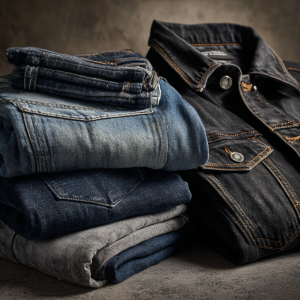
Fashion Manufacturing Services offer expertise in product development, quality assurance, supply chain management, and cost optimization, enabling brands to focus on creativity while ensuring efficient and reliable production.
Evaluate potential partners based on their experience, technical capabilities, communication, flexibility, and commitment to sustainability. Request samples and client references to verify quality and reliability.
Yes, many providers offer flexible production runs, catering to both startups and established brands. Discuss your specific volume needs during initial consultations.
These services can integrate sustainable materials, ethical labor practices, and eco-friendly processes into your supply chain, helping your brand meet environmental and social responsibility goals.
Timelines vary based on design complexity, order volume, and material availability. On average, the process from design approval to finished product can take 8–16 weeks, but efficient partners can help expedite this.
Hot tags: First Fashion Collection Design, Garment Production Planning, Fashion Startup Manufacturing, Apparel Manufacturing Support, Clothing Line Development Process, Fashion Brand Creation Help, Fashion Designer Production Tips, Garment Line Manufacturing, Fashion Collection Services, Apparel Manufacturer Benefits