


Content Menu
● What is Fashion Product Prototyping?
● Why Prototyping is Essential in Fashion
● Types of Fashion Product Prototypes
>> 3. Pre-Production Prototypes
● How to Choose the Right Prototype for Your Needs
● Integrating Prototyping into the Fashion Supply Chain
● Common Challenges and Solutions in Fashion Product Prototyping
● FAQs
>> 1. What is the difference between a fit prototype and a pre-production prototype?
>> 2. How does virtual prototyping benefit fashion brands?
>> 3. When should I use a sales prototype?
>> 4. Can small brands afford comprehensive prototyping?
>> 5. How does prototyping impact the fashion supply chain?
In today’s fast-paced fashion industry, the journey from concept to consumer is more complex than ever. Fashion Product Prototyping stands at the heart of this journey, bridging creative ideas with commercial reality. Whether you are an emerging designer, an established brand, or a supply chain manager, understanding the various types of fashion product prototypes—and selecting the right one—can make or break your product’s success in the market.
This comprehensive guide delves into the world of Fashion Product Prototyping, exploring its types, technical nuances, and strategic value in the product development process. By the end, you’ll be equipped with the knowledge to make informed decisions that align with your business goals and supply chain strategies.
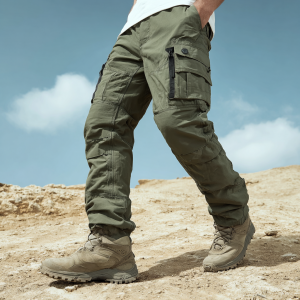
Fashion Product Prototyping is the process of creating preliminary models or samples of a fashion item before mass production. These prototypes serve as tangible representations of design concepts, enabling designers, technical teams, and stakeholders to evaluate form, fit, function, and manufacturability. The prototyping process is iterative, often involving multiple rounds of revisions to achieve the desired outcome.
Prototyping is not just about making a sample; it is a critical communication tool that translates abstract ideas into physical or digital forms. It helps identify design flaws, material limitations, and production challenges early, allowing teams to refine the product and optimize the manufacturing process.
Fashion Product Prototyping is a critical step in the product development lifecycle for several reasons:
– Risk Mitigation: Prototypes help identify design flaws, fit issues, and material inconsistencies early, reducing costly errors in mass production.
– Speed to Market: Efficient prototyping accelerates decision-making, allowing brands to respond quickly to market trends.
– Stakeholder Alignment: Physical or virtual prototypes facilitate clear communication among designers, manufacturers, and buyers.
– Quality Assurance: Prototypes serve as benchmarks for quality control throughout the production process.
– Cost Efficiency: Early detection of issues through prototyping prevents expensive reworks and wastage during bulk production.
– Sustainability: Prototyping, especially virtual prototyping, reduces material waste and environmental impact by minimizing physical sample production.
In a competitive fashion landscape, where consumer preferences shift rapidly and supply chains are global and complex, prototyping is indispensable for maintaining agility and ensuring product excellence.
Fashion Product Prototyping is not a one-size-fits-all process. Different prototypes serve distinct purposes at various stages of product development. Below, we explore the primary types in detail, highlighting their roles, technical considerations, and best practices.
Concept prototypes are the earliest physical manifestations of a design idea. Created using basic materials, these prototypes focus on silhouette, construction techniques, and overall aesthetics rather than precise fit or finish.
– Purpose: Visualize design intent, experiment with shapes and materials.
– When Used: Early design phase, brainstorming sessions, internal reviews.
– Technical Insights: Often made with inexpensive fabrics or even paper; minimal detailing; rapid turnaround.
– Benefits: Allows designers to quickly test and communicate ideas without heavy investment.
– Limitations: Does not provide accurate fit or material performance insights.
Concept prototypes are invaluable for creative exploration. They help teams decide whether a design concept is worth pursuing before committing resources to more detailed samples. For example, a designer might drape muslin fabric on a dress form to test the flow and volume of a new silhouette.
Fit prototypes (often called “fit samples”) are developed to assess the garment’s fit on a real body or dress form. These are more refined than concept prototypes and use actual or similar fabrics.
– Purpose: Evaluate fit, comfort, and movement.
– When Used: After initial design approval, before finalizing patterns.
– Technical Insights: Requires accurate pattern making and grading; may involve multiple iterations to perfect sizing.
– Benefits: Ensures the garment fits the target demographic properly, which is critical for customer satisfaction.
– Limitations: Can be time-consuming if multiple rounds of adjustments are needed.
Fit prototypes are essential for brands targeting precise sizing standards or when launching new product categories. For example, a sportswear brand might create several fit samples to test stretch and breathability on different body types.
Pre-production prototypes (also known as “PP samples”) are the closest representation of the final product. They use production-ready materials, trims, and construction methods.
– Purpose: Confirm all design, fit, and construction details before mass production.
– When Used: Just before production begins, during supplier negotiations.
– Technical Insights: Must meet all quality standards; used for final approvals and as a reference for bulk production.
– Benefits: Minimizes risk of defects or deviations during manufacturing; serves as a quality benchmark.
– Limitations: More expensive and time-intensive to produce.
Pre-production prototypes are the final checkpoint. They verify that the product can be manufactured at scale without compromising design intent or quality. For example, a luxury brand might use PP samples to ensure that stitching, fabric hand-feel, and hardware meet premium standards.
Sales prototypes (sometimes called “showroom samples” or “marketing samples”) are created specifically for presentations, trade shows, and sales meetings.
– Purpose: Showcase the product to buyers, press, and stakeholders.
– When Used: Prior to product launch, during sales campaigns.
– Technical Insights: High-quality finish; may differ slightly from production version to emphasize visual appeal.
– Benefits: Helps secure orders and build brand excitement.
– Limitations: May not be fully production-accurate; can create misalignment if not managed carefully.
Sales prototypes are marketing tools that help brands gain traction in wholesale or retail channels. For instance, a designer might produce a limited run of sales samples to present at a fashion trade show, generating interest and pre-orders.
Virtual prototypes leverage digital technologies such as 3D modeling and simulation to visualize products without physical samples.
– Purpose: Reduce lead times, lower costs, and enable rapid design iterations.
– When Used: Early design stages, remote collaboration, sustainability initiatives.
– Technical Insights: Requires specialized software (e.g., CLO 3D, Browzwear); integrates with digital supply chains.
– Benefits: Accelerates development cycles; minimizes material waste; facilitates global team collaboration.
– Limitations: Requires investment in technology and skilled personnel; may lack tactile feedback.
Virtual prototyping is revolutionizing the fashion industry by enabling brands to create realistic digital garments that can be adjusted instantly. This technology supports sustainability goals by reducing reliance on physical samples and enhances supply chain agility by enabling faster decision-making.
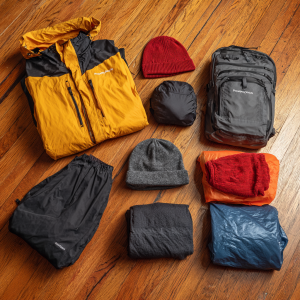
Selecting the appropriate type of Fashion Product Prototyping depends on your project’s objectives, timeline, and resources. Consider the following factors:
– Stage of Development: Early stages benefit from concept or virtual prototypes; later stages require fit or pre-production samples.
– Budget Constraints: Virtual and concept prototypes are cost-effective; pre-production and sales samples require more investment.
– Supply Chain Complexity: If working with multiple suppliers, pre-production prototypes ensure alignment on materials and construction.
– Market Strategy: Sales prototypes are essential for brands focusing on wholesale or retail partnerships.
– Sustainability Goals: Virtual prototyping supports eco-friendly initiatives by reducing physical sample production.
– Technical Expertise: Ensure your team has the skills and tools needed for advanced prototyping methods like 3D modeling.
Pro Tip: Collaborate closely with your technical and supply chain teams to align prototyping choices with manufacturing capabilities and market demands. Establish clear milestones and objectives for each prototype phase to avoid unnecessary iterations and delays.
Fashion Product Prototyping is deeply intertwined with supply chain management. Effective integration ensures:
– Seamless Communication: Clear technical packs and prototype reviews minimize misunderstandings between design and manufacturing teams. Using standardized documentation and digital platforms improves transparency.
– Lead Time Optimization: Early prototyping identifies potential bottlenecks, allowing for proactive adjustments in sourcing and production schedules. This is critical when working with international suppliers.
– Sustainability: Virtual prototyping reduces material waste and carbon footprint, supporting eco-friendly supply chain practices. Brands can also optimize material usage by testing fabric performance digitally.
– Quality Control: Prototypes set the standard for bulk production, enabling precise quality checks at every stage. This reduces the risk of returns and reputational damage.
– Cost Management: Prototyping helps forecast production costs more accurately by identifying expensive or complex construction elements early.
– Supplier Collaboration: Engaging suppliers during prototyping fosters innovation and improves manufacturability. Suppliers can provide feedback on materials, trims, and production methods to optimize the final product.
By embedding prototyping into the supply chain, brands can achieve greater agility, reduce risks, and deliver superior products to market faster.
Despite its benefits, Fashion Product Prototyping presents several challenges:
– Iteration Overload: Multiple rounds of sampling can delay timelines and inflate costs.
*Solution:* Set clear objectives for each prototype stage and limit revisions to essential changes only. Use virtual prototypes to test ideas before physical sampling.
– Material Variability: Sourcing exact materials for prototypes can be difficult, especially for limited runs.
*Solution:* Develop strong relationships with material suppliers and maintain a digital fabric library for virtual prototyping. Consider using fabric swatches and digital texture mapping.
– Cost Management: Prototyping expenses add up, especially for small brands with limited budgets.
*Solution:* Prioritize virtual and concept prototypes early on, and negotiate sampling costs with manufacturers. Bundle prototype orders to reduce unit costs.
– Global Collaboration: Coordinating prototypes across geographies is complex due to time zones, language barriers, and shipping delays.
*Solution:* Leverage cloud-based platforms for sharing virtual prototypes and real-time feedback. Use video conferencing and detailed technical packs to enhance communication.
– Technology Adoption: Transitioning to virtual prototyping requires investment in software and training.
*Solution:* Start with pilot projects and gradually scale. Partner with technology providers offering training and support.
– Maintaining Consistency: Ensuring prototype quality matches production standards can be challenging.
*Solution:* Develop detailed quality checklists and conduct regular supplier audits during prototyping and production.
Addressing these challenges proactively ensures that prototyping adds value rather than becoming a bottleneck.
Fashion Product Prototyping is more than a technical step—it’s a strategic advantage. The right prototype streamlines product development, enhances quality, and drives commercial success. Whether you’re launching a new collection or optimizing your supply chain, leveraging the appropriate prototyping methods can set your brand apart in a competitive market.
By understanding the nuances of concept, fit, pre-production, sales, and virtual prototypes, you can tailor your approach to meet your unique business needs. Integrating prototyping effectively into your supply chain will reduce risks, improve communication, and accelerate time-to-market—all while supporting sustainability goals.
Ready to elevate your next collection? Our team of experts specializes in Fashion Product Prototyping, supply chain integration, and product development solutions tailored to your needs. Contact us today to transform your ideas into market-ready products!

A fit prototype focuses on garment sizing and comfort, using similar but not necessarily final materials. A pre-production prototype is the final sample before mass production, using actual materials, trims, and construction methods to ensure the product meets all specifications.
Virtual prototyping allows brands to visualize and test designs digitally, reducing lead times, costs, and material waste. It also enables remote collaboration and rapid iteration, making it ideal for fast-paced or sustainability-focused brands.
Use a sales prototype when you need to present your product to buyers, retailers, or at trade shows. These samples are finished to a high standard to maximize visual appeal and secure orders before full-scale production.
Yes. Small brands can leverage cost-effective options like concept and virtual prototypes to refine designs before investing in more expensive fit or pre-production samples. Strategic prototyping helps manage costs while ensuring product quality.
Prototyping aligns design, technical, and manufacturing teams, reducing errors and streamlining production. It also sets quality benchmarks and helps identify supply chain bottlenecks early, supporting efficient and sustainable operations.
Hot tags: Types of Fashion Prototypes, Garment Sample Categories, Choosing the Right Prototype, Apparel Prototype Options, Fashion Product Sample Styles, Different Clothing Sample Methods, Design vs Fit Sample, Fashion Prototype Selection Guide, Proto vs Sales Sample, Best Prototype for Your Brand