


Content Menu
● What is Fashion Product Prototyping?
● The Importance of Prototyping in Fashion Product Development
● The Fashion Product Prototyping Process
>> 1. Ideation and Concept Development
>> 2. Material Sourcing and Selection
>> 3. Technical Design and Specification
>> 4. Pattern Making and Sample Creation
>> 6. Pre-Production Sample (PPS) and Approval
● Technical Considerations in Fashion Product Prototyping
>> Digital Prototyping and 3D Sampling
>> Material Innovation and Testing
>> Production Feasibility and Scalability
● Supply Chain Insights for Effective Prototyping
>> Supplier Collaboration and Communication
>> Quality Assurance During Prototyping
>> Cost Management and Budgeting
● Common Challenges in Fashion Product Prototyping
>> Material Availability and Lead Times
● Best Practices for Fashion Product Prototyping
>> 1. What is the typical timeline for Fashion Product Prototyping?
>> 2. How many prototype iterations are usually needed?
>> 3. What should be included in a tech pack for Fashion Product Prototyping?
>> 4. How can I ensure my prototype is production-ready?
>> 5. What are the key cost drivers in Fashion Product Prototyping?
In the dynamic and highly competitive world of fashion, Fashion Product Prototyping stands as a critical bridge between creative vision and market-ready products. For brands and designers, mastering the art and science of prototyping is essential—not only to reduce risks and costs but also to ensure that the final product resonates with consumers and meets rigorous quality standards. This comprehensive guide will walk you through every stage of the fashion product prototyping process, providing technical insights, supply chain considerations, and actionable strategies to set your brand up for success.
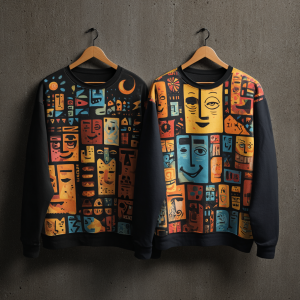
Fashion Product Prototyping is the process of creating a preliminary version of a fashion item, such as apparel, footwear, or accessories, before mass production. The prototype serves as a tangible model to test design concepts, fit, materials, and functionality. It is a crucial step in the product development lifecycle, enabling stakeholders to refine ideas, identify potential issues, and make informed decisions before investing in large-scale manufacturing.
Prototyping is not merely about creating a sample; it is an iterative process of experimentation, evaluation, and refinement. It allows designers to translate abstract ideas into physical forms, bridging the gap between imagination and reality. This process is vital to ensure that the final product aligns with brand identity, consumer expectations, and production feasibility.
The significance of Fashion Product Prototyping cannot be overstated. It is a strategic tool that influences multiple facets of product development and business operations:
– Risk Mitigation: By identifying design flaws, material incompatibilities, or manufacturing challenges early, prototyping reduces the risk of costly recalls, returns, or reputational damage.
– Cost Efficiency: Early-stage prototypes help avoid expensive mistakes in bulk production by allowing adjustments before committing to large orders.
– Market Validation: Prototypes can be showcased to focus groups, buyers, or influencers to gather feedback and validate market demand, enabling data-driven decisions.
– Supply Chain Optimization: Prototyping facilitates better coordination among suppliers, pattern makers, and manufacturers, ensuring that everyone is aligned on specifications and timelines.
– Innovation Enablement: It provides a sandbox environment to experiment with new materials, technologies, or construction techniques without jeopardizing the entire production run.
The journey begins with ideation, where creative teams brainstorm and sketch initial concepts. This phase is heavily influenced by trend forecasting, consumer insights, and brand positioning. Designers often use mood boards and inspiration galleries to consolidate ideas.
Digital tools such as Adobe Illustrator or specialized CAD software enable precise technical sketches, which form the foundation for subsequent steps. A well-defined concept at this stage reduces ambiguity and streamlines the prototyping workflow.
Material choice is a cornerstone of the prototyping process. The tactile qualities of fabric, trims, and accessories directly affect the product’s aesthetics, performance, and cost.
Key considerations during material sourcing include:
– Quality and Durability: Fabrics must withstand wear and tear, washing, and environmental factors.
– Sustainability: Increasingly, brands prioritize eco-friendly materials, such as organic cotton, recycled polyester, or biodegradable fibers, to meet consumer demand for responsible fashion.
– Supplier Reliability: Establishing relationships with trusted suppliers ensures consistent material availability and quality.
– Cost Implications: Balancing premium materials with budget constraints is critical to maintain profitability.
Sampling swatches from multiple vendors allows designers to compare and select the best options for the prototype.
The creation of a comprehensive tech pack is a pivotal moment in Fashion Product Prototyping. This document serves as the blueprint for the entire production process.
A detailed tech pack includes:
– Flat Sketches: Precise, two-dimensional drawings showing all garment details.
– Measurements and Sizing: Exact dimensions for each size, including tolerances.
– Construction Details: Information on stitching types, seam allowances, and finishing techniques.
– Materials and Trims: Specifications for fabrics, buttons, zippers, labels, and other components.
– Colorways: Approved color palettes and Pantone references.
– Bill of Materials (BOM): A comprehensive list of all materials and components required.
A well-prepared tech pack minimizes miscommunication and accelerates the prototyping timeline.
Pattern making translates the two-dimensional design into templates that guide fabric cutting and assembly. This step can be manual or digital:
– Manual Pattern Making: Experienced pattern makers draft patterns by hand, often using draping techniques on mannequins.
– Digital Pattern Making: Software such as Gerber or Lectra enables precise, scalable patterns and easy grading for multiple sizes.
Once patterns are finalized, the first sample—often called the “first proto”—is sewn. This initial prototype is usually crafted with less expensive materials to test the design’s feasibility and fit.
The prototype undergoes rigorous fitting sessions to evaluate comfort, silhouette, and movement. Feedback is collected from fit models, designers, and technical teams.
Common issues addressed during fitting include:
– Tightness or looseness in specific areas
– Sleeve length or shoulder fit
– Ease of movement and comfort
– Visual alignment of design elements
Based on feedback, patterns and construction methods are adjusted. This iterative process may repeat several times until the prototype meets all criteria.
The pre-production sample is the final prototype, created using the exact materials, trims, and production techniques intended for mass manufacturing. This sample is critical because:
– It confirms that the product can be consistently produced at scale.
– It serves as the reference for quality control during production.
– It provides a tangible product for marketing and sales teams.
Approval of the PPS signals readiness for bulk production.
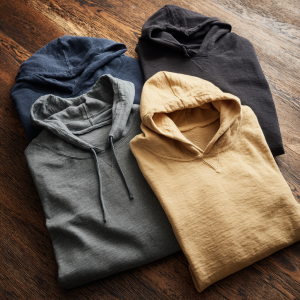
The integration of 3D design software has transformed Fashion Product Prototyping by enabling virtual sampling. Platforms like CLO 3D and Browzwear allow designers to create realistic digital garments that simulate fabric drape, texture, and fit.
Benefits of digital prototyping include:
– Faster iteration cycles without physical samples
– Reduced material waste and cost savings
– Enhanced collaboration across geographically dispersed teams
– Early detection of design and fit issues
While digital prototypes cannot fully replace physical samples, they significantly augment the prototyping process.
Innovative materials such as phase-change textiles, antimicrobial fabrics, and smart textiles with embedded sensors are gaining traction. Prototyping with these materials requires specialized knowledge of their properties and manufacturing constraints.
Material testing during prototyping includes:
– Colorfastness: Ensuring colors do not bleed or fade
– Shrinkage: Testing fabric behavior after washing
– Tensile Strength: Assessing durability under stress
– Hand Feel: Evaluating texture and comfort
Understanding these parameters helps avoid surprises during production.
A technically sound prototype must be manufacturable at scale. Considerations include:
– Machinery Compatibility: Some designs require specialized equipment.
– Minimum Order Quantities (MOQs): Factories often set MOQs that impact production planning.
– Lead Times: Material procurement and production schedules must align with market deadlines.
– Cost Implications: Complex designs or finishes may increase production costs.
Engaging manufacturing partners early in prototyping ensures that designs are realistic and economically viable.
Strong supplier relationships are the backbone of successful prototyping. Transparent communication helps manage expectations and troubleshoot issues promptly.
Best practices include:
– Sharing detailed tech packs and material specifications
– Scheduling regular check-ins and progress updates
– Establishing clear quality standards and inspection protocols
– Negotiating flexible terms for sample orders
Quality control is not reserved for mass production alone. Implementing QA measures during prototyping prevents defects from becoming systemic issues.
Key QA activities include:
– Material inspections upon receipt
– Stitching and construction audits
– Fit and wear testing under realistic conditions
– Documentation of defects and corrective actions
A robust QA process builds confidence in the final product.
Effective budgeting for prototyping involves forecasting all associated costs, including:
– Material procurement and shipping
– Sample making labor and overhead
– Revisions and multiple iterations
– Testing and certification fees (if applicable)
Tracking expenses against budget helps maintain financial discipline and informs pricing strategies.
Misalignment between designers, pattern makers, and manufacturers can lead to errors. Language differences, unclear instructions, and assumptions exacerbate this issue.
Mitigation strategies:
– Use visual aids and detailed documentation
– Employ bilingual coordinators or translators if needed
– Foster a culture of open feedback and clarification
Sourcing unique or sustainable materials can introduce delays. Global supply chain disruptions also affect availability.
Solutions:
– Maintain multiple supplier options
– Order critical materials well in advance
– Consider alternative materials without compromising quality
Achieving perfect fit across diverse body types is challenging. Standard size charts may not reflect target customer demographics.
Approaches:
– Use 3D body scanning and fit analytics
– Conduct consumer fit trials
– Customize sizing for niche markets
Fast fashion and seasonal cycles impose tight deadlines, limiting prototyping iterations.
Recommendations:
– Prioritize critical design elements
– Leverage digital prototyping to accelerate feedback
– Plan realistic timelines with buffer periods
– Develop Detailed Tech Packs: Clear, thorough documentation reduces errors and speeds up production.
– Leverage Digital Tools: Use 3D modeling and virtual sampling to complement physical prototypes.
– Engage Suppliers Early: Collaborative partnerships improve quality and reduce lead times.
– Allow Time for Iterations: Multiple rounds of prototyping ensure refinement and product excellence.
– Incorporate Sustainability: Choose eco-friendly materials and processes to meet evolving consumer expectations.
– Implement Rigorous QA: Quality assurance at every stage prevents costly defects and returns.
– Balance Creativity and Feasibility: Innovative designs should be grounded in manufacturing realities.
Fashion Product Prototyping is an indispensable step in transforming creative ideas into commercially successful products. By investing in robust prototyping processes, leveraging digital tools, and fostering strong supply chain partnerships, brands can minimize risks, control costs, and deliver exceptional quality to the market. Whether you’re a startup or an established label, mastering prototyping is your gateway to innovation and growth.
Ready to elevate your next collection? Contact our team of fashion product development experts today for a personalized consultation and discover how we can help bring your vision to life with precision and efficiency.
The timeline can vary based on product complexity, material availability, and supplier responsiveness. On average, the process takes 4–12 weeks from initial concept to approved pre-production sample. Digital prototyping tools can help shorten this timeline by enabling rapid iterations.
Most fashion products require 2–4 prototype iterations. The first sample often reveals fit or construction issues, while subsequent rounds focus on fine-tuning details and achieving production readiness.
A comprehensive tech pack should contain flat sketches, measurements, material specifications, construction details, colorways, and a bill of materials. This document serves as a blueprint for pattern makers and manufacturers, reducing the risk of errors.
Conduct thorough fit tests, material assessments, and quality inspections. Collaborate closely with your manufacturer, and always approve a pre-production sample before starting mass production.
Major cost factors include material selection, sample making labor, shipping, and the number of iterations required. Choosing complex designs or rare materials can increase prototyping expenses, so balance creativity with feasibility.
Hot tags: Fashion Prototyping for Beginners, Clothing Prototype Guide, How to Start Fashion Sampling, Apparel Design to Prototype, Clothing Sample Development, Garment Prototype Steps, Fashion Product Creation Guide, New Designer Prototyping Help, Tech Pack to Sample Process, Fashion Line Development Basics