


Content Menu
● What is Fashion Product Prototyping?
>> Key Steps in Fashion Product Prototyping
● The Business Case for Fashion Product Prototyping
>> 4. Supply Chain Optimization
● Technical Insights: How Prototyping Drives Product Development
>> Pattern Engineering and Digital Prototyping
>>> Benefits of Digital Prototyping
>> Material Testing and Sourcing
>> Fit Analysis and Wear Testing
>> Integration of Sustainable Practices
● Supply Chain Implications of Fashion Product Prototyping
>> Scalability
>> Impact on Lead Times and Inventory Management
● Case Study: Fashion Product Prototyping in Action
● Best Practices for Effective Fashion Product Prototyping
>> 1. Start with Clear Specifications
>> 3. Involve Key Stakeholders
>> 6. Prioritize Sustainability
>> 1. What is the primary purpose of Fashion Product Prototyping?
>> 2. How does Fashion Product Prototyping reduce production costs?
>> 3. Can digital prototyping replace physical samples?
>> 4. How does prototyping impact supply chain management?
>> 5. What should new brands look for in a prototyping partner?
In the fast-paced and highly competitive world of fashion, the journey from concept to consumer is fraught with challenges. For new brands, the margin for error is slim, and every decision can have a significant impact on the final product and the brand’s reputation. One of the most powerful tools available to emerging fashion labels is Fashion Product Prototyping. This process not only bridges the gap between creative vision and commercial reality but also lays the foundation for scalable, high-quality, and market-ready collections.
This article explores the pivotal role of Fashion Product Prototyping in elevating design quality, optimizing supply chains, and accelerating product development. We will delve into the technical aspects, supply chain implications, and strategic benefits that prototyping brings to new fashion brands. Whether you’re launching your first collection or refining your production process, understanding the nuances of prototyping can be a game-changer for your brand’s success.
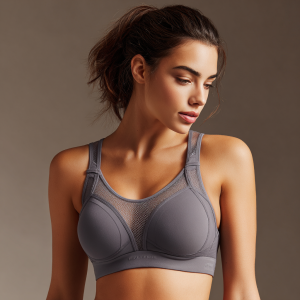
Fashion Product Prototyping is the process of creating a physical or digital sample of a garment or accessory before it enters mass production. This prototype serves as a tangible representation of the designer’s vision, enabling stakeholders to evaluate, test, and refine the product in a controlled environment.
– Conceptualization: Translating initial sketches and ideas into technical drawings and specifications.
– Material Selection: Sourcing and testing fabrics, trims, and components to ensure quality and feasibility.
– Pattern Making: Developing precise patterns that translate design concepts into wearable forms.
– Sample Creation: Constructing the first physical sample, often referred to as the “first proto.”
– Fitting and Evaluation: Assessing fit, comfort, and aesthetics on a model or mannequin.
– Iteration: Making necessary adjustments and producing revised samples until the desired outcome is achieved.
Launching a new fashion product without prototyping is akin to flying blind. Prototyping allows brands to identify design flaws, fit issues, and material inconsistencies early in the process, reducing the risk of costly mistakes during mass production.
While prototyping incurs upfront costs, it can lead to significant savings by preventing large-scale production errors, minimizing waste, and streamlining the development cycle. Brands can make informed decisions about materials, construction methods, and finishing techniques before committing to bulk orders.
Prototyping provides an opportunity to refine every detail of a garment, from seam placement to fabric drape. This attention to detail results in higher-quality products that resonate with consumers and stand out in a crowded market.
By resolving design and production issues at the prototyping stage, brands can improve communication with suppliers, reduce lead times, and establish more reliable manufacturing partnerships. This proactive approach enhances overall supply chain efficiency.
In the fashion industry, speed is a competitive advantage. Prototyping accelerates the product development timeline by enabling rapid iteration, reducing the likelihood of last-minute changes, and ensuring that products are ready for launch on schedule.
Advancements in pattern engineering and digital prototyping have revolutionized the way fashion brands approach product development. Computer-aided design (CAD) tools allow designers to create and modify patterns with precision, simulate fabric behavior, and visualize garments in 3D before producing physical samples.
– Speed: Rapidly iterate designs without the need for multiple physical samples.
– Accuracy: Minimize human error and ensure consistency across production runs.
– Sustainability: Reduce material waste by limiting the number of physical samples required.
Selecting the right materials is critical to the success of any fashion product. Prototyping enables brands to test various fabrics, trims, and finishes to determine their suitability for the intended design and use case. This process ensures that the final product meets both aesthetic and functional requirements.
Material testing during the prototyping phase often includes assessing fabric weight, stretch, breathability, durability, and colorfastness. These tests inform decisions about sourcing and help avoid future quality issues that could lead to customer dissatisfaction or returns.
A well-fitting garment is essential for customer satisfaction. Prototyping allows brands to conduct fit sessions and wear tests, gathering feedback from models, designers, and technical teams. This collaborative approach leads to garments that not only look good but also perform well in real-world conditions.
Wear testing can include evaluating comfort during movement, durability under stress, and the garment’s behavior after washing. These insights are invaluable for activewear, outerwear, and other performance-oriented categories where function is as important as form.
Sustainability is no longer optional in fashion product development. Prototyping offers an opportunity to integrate eco-friendly materials and processes early on. By testing sustainable fabrics and production techniques during prototyping, brands can ensure that their environmental commitments do not compromise product quality or design integrity.
Effective prototyping fosters stronger relationships between brands and suppliers. By involving manufacturers early in the development process, brands can leverage supplier expertise, address potential production challenges, and align expectations regarding quality and timelines.
This collaboration often leads to innovations in construction techniques or material use that can reduce costs or improve product performance. Early supplier involvement also helps identify potential bottlenecks or capacity constraints, allowing brands to plan production schedules more effectively.
Prototyping serves as a benchmark for quality standards. The approved prototype becomes the reference point for mass production, ensuring that every unit meets the brand’s specifications and customer expectations.
Quality assurance during prototyping includes detailed inspections of stitching, seam strength, color consistency, and finishing details. These standards are documented and communicated to production teams to maintain consistency across large production runs.
For new brands aiming to scale, prototyping provides a blueprint for replicating successful designs across different sizes, colors, and materials. This scalability is essential for building a cohesive product line and responding to market demand.
Size grading, a critical part of scaling, is refined during prototyping to ensure that garments fit well across all intended sizes. This process reduces returns and enhances customer satisfaction by delivering consistent fit and comfort.
By resolving design and production issues early, prototyping helps brands forecast more accurately and manage inventory efficiently. This leads to optimized order quantities, reduced excess stock, and improved cash flow management.
Consider a new activewear brand preparing to launch its first collection. By investing in Fashion Product Prototyping, the brand is able to:
– Test multiple fabric blends for moisture-wicking and durability.
– Refine the fit of leggings and sports bras through multiple sample rounds.
– Identify and resolve construction challenges, such as seam slippage and elastic recovery.
– Collaborate with suppliers to optimize production methods and reduce lead times.
– Launch a collection that meets performance standards and resonates with target consumers.
The result is a successful product launch, positive customer feedback, and a strong foundation for future growth.
This case highlights how prototyping can transform a concept into a commercially viable product, mitigating risks and enhancing brand reputation.
Detailed tech packs and design briefs are essential for communicating your vision to pattern makers and manufacturers. Include measurements, material requirements, construction details, and reference images. The clearer the specifications, the smoother the prototyping process.
Be prepared to go through multiple rounds of prototyping. Each iteration brings you closer to the ideal product and helps uncover potential issues before they become costly problems. Iteration is a sign of a thorough and quality-focused development process.
Engage designers, technical teams, suppliers, and potential customers in the prototyping process. Diverse perspectives lead to better outcomes and ensure that the final product meets all requirements. Early feedback from sales and marketing teams can also help align the product with consumer expectations.
Maintain thorough records of changes, feedback, and decisions made during prototyping. This documentation streamlines communication and serves as a valuable resource for future product development. It also helps maintain consistency across multiple production cycles.
Utilize digital tools for pattern making, 3D modeling, and virtual fittings. These technologies enhance accuracy, reduce lead times, and support sustainable practices. Staying abreast of technological advancements can give your brand a competitive edge.
Incorporate sustainable materials and processes early in prototyping to align with growing consumer demand for ethical fashion. Test eco-friendly fabrics for durability and performance to ensure they meet your brand’s standards.
Design prototypes with scalability in mind. Ensure that patterns can be graded efficiently and that materials are available in sufficient quantities to support growth. This foresight prevents bottlenecks when scaling production.
Fashion Product Prototyping is an indispensable tool for new brands seeking to elevate their designs, optimize their supply chains, and achieve commercial success. By embracing prototyping, brands can mitigate risks, enhance product quality, and accelerate time-to-market—all while building a foundation for sustainable growth.
If you’re ready to transform your ideas into market-ready products, don’t leave your success to chance. Consult with our expert team today and discover how our Fashion Product Prototyping services can help you launch with confidence and stand out in the competitive fashion landscape.
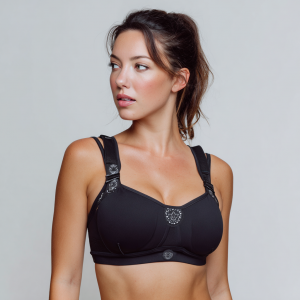
The main purpose is to create a tangible or digital sample that allows brands to test, evaluate, and refine their designs before mass production. This process helps identify and resolve issues early, ensuring higher quality and minimizing costly mistakes.
By uncovering design flaws, fit issues, and material incompatibilities during the prototyping phase, brands can avoid expensive errors in bulk production. This leads to less waste, fewer returns, and more efficient use of resources.
Digital prototyping offers significant advantages in terms of speed and sustainability, but physical samples are still essential for assessing fabric behavior, fit, and construction. A hybrid approach often yields the best results.
Prototyping improves communication with suppliers, sets clear quality benchmarks, and streamlines production planning. This results in more reliable manufacturing partnerships and faster time-to-market.
Look for partners with technical expertise, strong communication skills, and a track record of working with emerging brands. The right partner will guide you through the process, offer valuable insights, and help bring your vision to life.
Hot tags: Improve Fashion Design with Prototyping, Apparel Sample Testing, Clothing Fit Validation, Garment Design Refinement, Prototype-Based Fashion Feedback, Design Improvement Fashion, Fashion Sample Revisions, Creative Iteration in Fashion, Fashion Testing Methods, Better Garment Fit with Prototypes