


Content Menu
● Understanding Fashion Product Prototyping
● The Importance of Reliable Prototyping Services
● Key Criteria for Selecting a Prototyping Partner
>> 1. Experience and Specialization
>> 3. Portfolio and References
>> 4. Communication and Project Management
● Evaluating Technical Capabilities
>> Advanced Technologies in Fashion Product Prototyping
>> Navigating Supply Chain Challenges
● Managing the Prototyping Process
>> 1. Prepare Detailed Tech Packs
● Common Challenges and How to Overcome Them
>> 2. Delays in Material Sourcing
>> 5. Intellectual Property Risks
>> 6. Managing Multiple Revisions
>> 7. Balancing Creativity and Manufacturability
● FAQ
>> 1. What is Fashion Product Prototyping and why is it important?
>> 2. How do I choose the right prototyping service for my brand?
>> 3. What should I include in my tech pack for prototyping?
>> 4. How long does the Fashion Product Prototyping process take?
>> 5. Can prototyping services help with material sourcing and supply chain management?
Fashion Product Prototyping is the critical bridge between creative design concepts and market-ready products. For emerging designers and brands, selecting a reliable prototyping service can make the difference between a successful launch and costly setbacks. This comprehensive guide will equip you with the technical knowledge, supply chain insights, and product development expertise needed to confidently navigate the world of Fashion Product Prototyping. Whether you are new to the industry or seeking to optimize your processes, this article will help you make informed decisions, avoid common pitfalls, and accelerate your journey from sketch to sample.
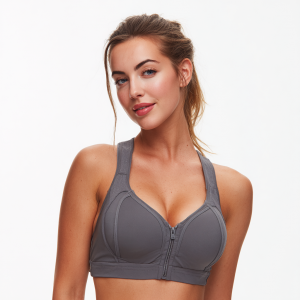
Fashion Product Prototyping is the process of transforming a design concept into a tangible, physical sample. This stage is fundamental for validating design aesthetics, fit, function, and manufacturability before mass production. A prototype allows designers and brands to:
– Test and refine garment construction and materials
– Identify potential production issues early
– Present samples to stakeholders, buyers, or investors
– Reduce the risk of costly errors in full-scale manufacturing
Prototyping is not just about creating a sample; it’s about ensuring that the final product meets brand standards, market expectations, and is feasible for production within budget and timeline constraints.
The prototyping phase is where creativity meets technical execution. It requires a deep understanding of garment engineering, fabric behavior, and production techniques. For beginners, this can be a steep learning curve, but partnering with a knowledgeable prototyping service can provide invaluable guidance throughout the process.
A reliable Fashion Product Prototyping service is a cornerstone of successful product development. Here’s why:
– Quality Assurance: Reliable partners maintain high standards, ensuring your prototype accurately reflects your vision and specifications.
– Speed to Market: Efficient prototyping accelerates development cycles, giving you a competitive edge.
– Cost Efficiency: Early detection of design or manufacturing issues prevents expensive mistakes during mass production.
– Supply Chain Integration: Prototyping services with strong supply chain connections can source materials quickly and suggest alternatives if needed.
– Confidentiality: Trustworthy providers safeguard your intellectual property and design confidentiality.
For beginners, working with a reputable prototyping service reduces risk, builds confidence, and sets the foundation for scalable growth.
Moreover, a dependable prototyping partner often acts as an extension of your team, offering insights into current market trends, production innovations, and regulatory compliance. This holistic approach ensures your product is not only well-made but also commercially viable.
Choosing the right Fashion Product Prototyping service involves evaluating several critical factors:
– Does the service have proven experience in your product category (e.g., womenswear, sportswear, accessories)?
– Can they handle complex designs or specialized materials?
Experience matters because different fashion categories have unique requirements. For example, sportswear prototyping demands expertise in stretch fabrics and performance testing, while luxury fashion may require intricate embellishments and hand-finishing skills.
– Are their pattern makers and sample makers skilled in advanced techniques?
– Do they use modern tools such as 3D prototyping, digital pattern making, or CAD?
Technical expertise is critical to translate your creative vision into a prototype that is both beautiful and manufacturable. Ask about their team’s qualifications, certifications, and ongoing training programs.
– Can they provide case studies or samples of previous work?
– Do they have testimonials from satisfied clients?
Reviewing a provider’s portfolio helps you assess their aesthetic compatibility and quality standards. References can provide insight into their reliability and customer service.
– Are they responsive and transparent in their communication?
– Do they provide clear timelines, cost estimates, and regular updates?
Effective communication prevents misunderstandings and delays. A prototyping partner with strong project management skills will keep your project on track and within budget.
– Is the prototyping facility local or overseas?
– What are the implications for shipping, lead times, and collaboration?
Local services may offer faster turnaround and easier collaboration, while overseas providers might offer cost advantages but require more coordination.
– Can the provider support your transition from prototyping to small-batch or mass production?
– Do they offer additional services such as grading, tech packs, or sourcing?
Choosing a partner who can grow with your brand streamlines your supply chain and reduces the need to switch vendors later.
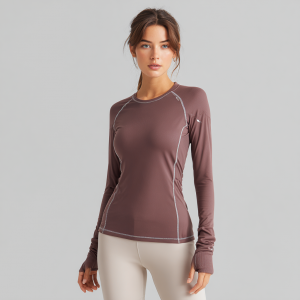
A reliable Fashion Product Prototyping service should demonstrate strong technical capabilities, including:
– Pattern Making: Accurate translation of design sketches into production-ready patterns.
– Sample Sewing: Skilled craftsmanship to construct prototypes that match design intent.
– Material Sourcing: Access to a wide range of fabrics, trims, and notions, with the ability to suggest alternatives based on availability and cost.
– Fit Testing: Ability to conduct fit sessions and iterate on patterns for optimal results.
– Digital Tools: Utilization of 3D prototyping, digital patterning, and virtual sampling to streamline the process and reduce physical waste.
In recent years, the integration of digital technologies has revolutionized Fashion Product Prototyping. Services that leverage 3D CAD software and virtual prototyping tools can create digital samples that allow designers to visualize and modify garments before any physical sample is made. This reduces material waste, shortens development time, and lowers costs.
Some prototyping partners also use 3D body scanning and virtual fitting rooms to enhance fit accuracy. These technologies enable precise measurements and simulate how garments behave on different body types, which is especially valuable for brands aiming for inclusive sizing.
When evaluating a prototyping service, inquire about their use of such technologies and how they integrate them into their workflow. Providers who embrace innovation often deliver higher quality and faster turnaround times.
Fashion Product Prototyping is deeply intertwined with supply chain dynamics. When selecting a service, consider the following:
– Material Lead Times: Reliable prototyping services have established supplier relationships, reducing delays in material procurement.
– Sustainability: Providers with sustainable sourcing practices can help you meet environmental goals and appeal to conscious consumers.
– Cost Transparency: Understand how material and labor costs are calculated, and ask for detailed breakdowns.
– Flexibility: The ability to pivot to alternative suppliers or materials in case of shortages is a valuable asset.
– Quality Control: Consistent quality checks throughout the prototyping process ensure that materials and construction meet your standards.
Global supply chains face ongoing challenges such as material shortages, shipping delays, and fluctuating costs. A prototyping partner with robust supply chain expertise will proactively manage these risks by:
– Maintaining buffer stocks of critical materials
– Cultivating multiple supplier relationships
– Advising on alternative fabrics or trims without compromising design integrity
– Providing realistic lead time estimates to plan production schedules accordingly
For beginners, understanding the supply chain context of prototyping services is essential. It helps set realistic expectations and fosters a collaborative approach to problem-solving.
Efficient management of the Fashion Product Prototyping process is essential for success. Here are key steps to follow:
A comprehensive tech pack includes design sketches, measurements, material specifications, construction details, and reference images. The more detailed your tech pack, the smoother the prototyping process.
Tech packs serve as the blueprint for your prototype and production. They minimize ambiguity and reduce the need for guesswork by your prototyping partner.
Define your goals, timeline, budget, and quality standards upfront. Communicate these clearly to your prototyping partner.
Clear expectations help avoid scope creep and ensure alignment between your vision and the service provider’s deliverables.
Break the process into manageable stages—pattern making, first sample, revisions, final sample. Set deadlines for each milestone and track progress.
Milestones enable you to monitor progress and intervene promptly if issues arise.
Maintain open lines of communication. Use project management tools or shared platforms to exchange feedback, files, and updates.
Collaboration ensures that feedback is incorporated quickly and that everyone stays informed.
Evaluate each prototype version critically. Be prepared for multiple rounds of revisions to achieve the desired outcome.
Iteration is a natural part of prototyping. Patience and clear feedback are key to refining your product.
Keep records of all communications, approvals, and changes. This documentation will be invaluable if issues arise later.
Good documentation protects your intellectual property and provides a reference for future production runs.
Fashion Product Prototyping can present several challenges for beginners. Here’s how to address them:
Solution: Use clear, unambiguous language in all documentation. Supplement written instructions with visual references.
Solution: Work with prototyping services that have strong supplier networks and can suggest substitutes if necessary.
Solution: Request photos or videos of each prototype stage. If possible, visit the facility or arrange for a third-party quality inspection.
Solution: Agree on a detailed quote before work begins. Monitor expenses at each stage and address discrepancies immediately.
Solution: Sign NDAs and work with reputable partners who value confidentiality.
Prototyping often involves several rounds of changes, which can be time-consuming and costly.
Solution: Prioritize feedback, consolidate revisions, and communicate clearly to avoid unnecessary iterations. Using digital prototyping tools can also reduce physical sample iterations.
Sometimes, innovative designs may be difficult or expensive to produce.
Solution: Collaborate closely with your prototyping partner to find compromises that maintain design integrity while ensuring production feasibility.
Finding a reliable Fashion Product Prototyping service is a strategic investment in your brand’s future. By prioritizing technical expertise, supply chain strength, transparent communication, and robust project management, you can minimize risks and maximize the potential of your designs. Remember, the right prototyping partner is not just a vendor—they are a collaborator who will help bring your creative vision to life and set you up for scalable success.
The prototyping phase sets the tone for your entire product lifecycle. Investing time and resources in selecting the right service will pay dividends in product quality, speed to market, and customer satisfaction. As the fashion industry continues to evolve rapidly, leveraging expert prototyping services equipped with the latest technologies and supply chain insights is essential to staying competitive.
Ready to turn your fashion ideas into reality? Don’t leave your product’s success to chance. Consult with our expert team today to experience seamless, high-quality Fashion Product Prototyping that accelerates your journey from concept to market. Contact us now for a personalized consultation and take the first step toward building your brand’s legacy!
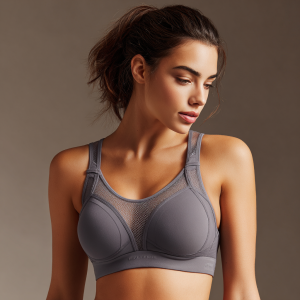
Fashion Product Prototyping is the process of creating a physical sample from a design concept. It allows designers to test fit, construction, and materials before mass production, reducing risks and ensuring the final product meets quality and market standards.
Look for services with experience in your product category, strong technical skills, transparent communication, and a proven track record. Evaluate their portfolio, ask for references, and ensure they can scale with your production needs.
A tech pack should contain detailed sketches, measurements, material specifications, construction details, and reference images. The more comprehensive your tech pack, the more accurately the prototype will reflect your vision.
Timelines vary based on design complexity, material availability, and the number of revisions required. On average, expect the process to take between 2-8 weeks from initial tech pack submission to final approved sample.
Yes, reputable Fashion Product Prototyping services often have established supplier networks and can assist with sourcing materials, suggesting alternatives, and managing supply chain logistics to ensure timely and cost-effective production.
Hot tags: Find Fashion Prototyping Service, Apparel Sample Maker Tips, Clothing Prototype Company Guide, Reliable Garment Manufacturer, Garment Prototype Partner, Fashion Sampling Vendors, Choosing a Clothing Manufacturer, Sample Development Agencies, Fashion Production Services, New Brand Sampling Support