


Content Menu
● What is Fashion Product Prototyping?
>> Key Steps in Fashion Product Prototyping
● Why Fashion Product Prototyping Matters
>> Accelerating Time-to-Market
>> Strengthening Brand Reputation
● Key Considerations Before Investing in Fashion Product Prototyping
>> 1. Brand Positioning and Goals
>> 2. Budget and Resource Allocation
>> 5. Sustainability and Waste Reduction
● The Fashion Product Prototyping Process: Step-by-Step
>> 5. Iteration and Refinement
● Technical Insights: Leveraging Technology in Fashion Product Prototyping
>> Digital Prototyping and 3D Sampling
>> Automation and AI in Prototyping
● Supply Chain Considerations for Fashion Product Prototyping
>> Scalability
● Strategic Benefits of Fashion Product Prototyping
>> Enhancing Collaboration Across Teams
>> Supporting Customization and Limited Editions
>> Facilitating Market Testing
● When is Fashion Product Prototyping Not the Best Fit?
>> 1. What is the main purpose of fashion product prototyping?
>> 2. How many prototypes are typically made before final approval?
>> 3. Can digital prototyping replace physical samples entirely?
>> 4. How does fashion product prototyping impact sustainability?
>> 5. What should I look for in a prototyping partner?
In the ever-evolving world of fashion, speed, innovation, and precision are more critical than ever. Brands striving for market relevance and customer satisfaction must navigate a complex landscape of design, manufacturing, and supply chain management. One of the most powerful tools in this process is Fashion Product Prototyping. But is it the right strategy for your brand? This comprehensive guide explores the technical, logistical, and business implications of fashion product prototyping, empowering you to make informed decisions that drive growth and success.
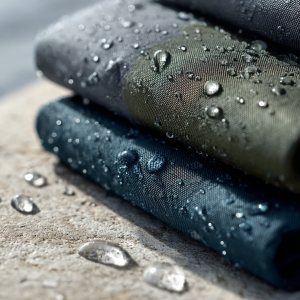
Fashion Product Prototyping is the process of creating a preliminary version of a garment or accessory before full-scale production. This prototype serves as a tangible sample to evaluate design, fit, construction, and overall feasibility. It bridges the gap between conceptual design and mass production, allowing brands to test, refine, and perfect their products.
– Design Translation: Converting sketches or digital designs into physical samples.
– Material Selection: Sourcing and testing fabrics, trims, and components.
– Sample Construction: Assembling the prototype using intended production techniques.
– Fit and Function Testing: Assessing wearability, durability, and aesthetics.
– Feedback and Iteration: Making adjustments based on stakeholder input.
Launching a new fashion product is inherently risky. Prototyping mitigates this risk by uncovering design flaws, fit issues, or material incompatibilities early in the process. Brands can avoid costly mistakes and reduce waste by identifying problems before mass production.
Through iterative prototyping, brands can fine-tune every detail, from stitching techniques to hardware placement. This attention to detail ensures that the final product meets both brand standards and customer expectations.
In today’s fast-paced fashion industry, speed is a competitive advantage. Fashion product prototyping streamlines the development cycle, enabling quicker decision-making and faster transitions from concept to shelf.
Delivering high-quality, well-designed products enhances customer trust and loyalty. Prototyping allows brands to consistently meet or exceed market expectations, reinforcing their reputation for excellence.
Evaluate how prototyping aligns with your brand’s identity and strategic objectives. Luxury and high-end brands often require more extensive prototyping to achieve premium quality, while fast fashion brands may prioritize speed and cost-efficiency.
Prototyping incurs costs for materials, labor, and time. Assess whether your budget can accommodate multiple rounds of sampling and iteration. Consider partnering with specialized prototyping studios or leveraging in-house resources.
The effectiveness of fashion product prototyping depends on your supply chain’s agility. Brands with integrated supply chains can iterate faster, while those relying on distant or fragmented suppliers may face delays.
Successful prototyping requires skilled pattern makers, sample makers, and technical designers. Evaluate your team’s capabilities or seek external partners with proven expertise in fashion product prototyping.
Prototyping can contribute to sustainability by reducing overproduction and minimizing defective goods. Digital prototyping and 3D sampling further decrease material waste and environmental impact.
Start with clear design concepts, mood boards, and technical sketches. Define the target customer, intended use, and unique selling points of the product. This foundational stage ensures that the prototype aligns with the brand’s vision and market needs.
Develop detailed tech packs, including measurements, construction details, and material specifications. These documents guide the prototyping team and ensure alignment with design intent. Precise tech packs reduce miscommunication and errors during sample creation.
Produce the initial prototype using selected materials and production techniques. This stage may involve manual craftsmanship or advanced digital tools, depending on the product and brand philosophy. It is critical to use materials that closely mimic production fabrics to accurately assess the prototype.
Conduct thorough evaluations of the prototype. Test for fit, comfort, durability, and visual appeal. Gather feedback from designers, merchandisers, and potential customers. Fit sessions with live models or mannequins help identify necessary adjustments.
Incorporate feedback into revised prototypes. Multiple iterations may be necessary to achieve the desired outcome. Document all changes for future reference and quality control. This iterative process is where the value of prototyping truly shines, enabling continuous improvement.
Once the prototype meets all criteria, approve it for bulk production. Ensure that all specifications are finalized and communicated to manufacturing partners. This step confirms that the product is ready to enter the supply chain without unexpected issues.
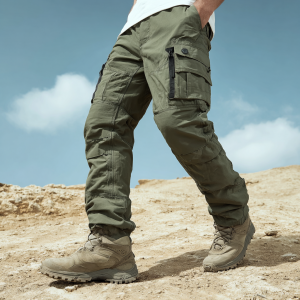
Advancements in 3D modeling and virtual sampling have revolutionized fashion product prototyping. Brands can now visualize and adjust designs digitally, reducing the need for physical samples and accelerating the development process. Tools like CLO 3D and Browzwear enable designers to simulate fabric drape, color, and texture in a virtual environment, saving time and costs.
Access to innovative materials and sustainable alternatives is expanding. Prototyping allows brands to experiment with new textiles, eco-friendly fabrics, and advanced trims before committing to large-scale orders. This experimentation supports product differentiation and aligns with consumer demand for sustainability.
Integrated supply chain management systems enable real-time collaboration between designers, prototypers, and manufacturers. This connectivity enhances communication, reduces errors, and speeds up the prototyping cycle. Technologies such as PLM (Product Lifecycle Management) software centralize data and streamline workflows.
Emerging technologies like AI-driven pattern making and automated cutting machines are beginning to influence fashion product prototyping. These innovations improve precision, reduce human error, and shorten lead times, making prototyping more efficient and scalable.
Efficient prototyping depends on reliable sourcing of materials and components. Delays in fabric delivery or hardware procurement can stall the entire process. Establish strong relationships with suppliers and maintain clear communication channels. Consider sourcing local or regional materials to reduce lead times and increase responsiveness.
Implement rigorous quality control measures at every stage of prototyping. Use standardized testing protocols and maintain detailed records to ensure consistency and traceability. Early detection of quality issues prevents costly production errors and protects brand reputation.
Consider how your prototyping process will scale as your brand grows. Flexible systems and adaptable partners are essential for accommodating increased demand and product diversity. Building strong partnerships with manufacturers who understand your prototyping needs ensures smoother transitions from sample to mass production.
While prototyping involves upfront costs, the long-term benefits often outweigh these expenses. Brands should perform a cost-benefit analysis to understand how investing in prototyping can reduce returns, improve customer satisfaction, and increase sales.
Prototyping fosters collaboration between design, production, marketing, and sales teams. Physical samples provide a common reference point, facilitating clearer communication and faster consensus on product decisions.
For brands offering customized or limited-edition products, prototyping is invaluable. It allows for testing unique designs and materials, ensuring each piece meets quality standards before release.
Prototypes can be used in market testing to gather consumer feedback before committing to large production runs. This approach reduces the risk of product failure and informs marketing strategies.
Prototyping encourages experimentation with new techniques, materials, and technologies. It is a critical enabler of innovation, helping brands stay competitive and relevant.
While fashion product prototyping offers numerous benefits, it may not always be the optimal choice:
– Ultra-fast Fashion: Brands operating on extremely tight timelines may prioritize speed over iterative refinement, sometimes opting for direct-to-production methods.
– Limited Budgets: Startups or small brands with minimal resources may opt for simplified sampling or direct-to-production approaches to conserve capital.
– Simple Products: Basic items with straightforward construction, such as plain t-shirts or accessories with minimal complexity, may not require extensive prototyping.
– Highly Standardized Products: When products are variations of existing, proven designs, extensive prototyping may be redundant.
In these cases, brands must weigh the trade-offs between speed, cost, and quality to decide the best approach.
Fashion product prototyping is a strategic investment that can elevate your brand’s offerings, minimize risk, and enhance supply chain efficiency. By understanding the technical, logistical, and business aspects of prototyping, brands can make informed decisions that align with their goals and market demands. Whether you’re launching a new collection or refining a signature piece, the right prototyping approach can set you apart in a crowded marketplace.
Ready to take your fashion brand to the next level? Contact our team of product development experts today to discuss how fashion product prototyping can transform your ideas into market-ready products. Let’s innovate together!
Fashion product prototyping allows brands to create and test physical samples before mass production. This process helps identify design flaws, ensure quality, and refine products to meet brand standards and customer expectations.
The number varies depending on product complexity and brand standards. Most brands go through 2-4 rounds of prototyping, making incremental adjustments based on feedback until the sample meets all criteria.
Digital prototyping, such as 3D modeling, can significantly reduce the need for physical samples, especially in the early stages. However, most brands still require at least one physical prototype to assess fit, feel, and construction.
Prototyping reduces waste by catching errors early and minimizing defective production runs. Digital prototyping further enhances sustainability by reducing material usage and transportation emissions.
Seek partners with technical expertise, strong supply chain connections, and a track record of delivering high-quality samples on time. Clear communication and collaborative problem-solving are also essential.
Hot tags: Should I Prototype Fashion, Fashion Brand Product Development, Clothing Prototype Decision, Apparel Sampling Evaluation, Garment Prototyping Considerations, Fashion Startup Planning, Is Fashion Prototyping Necessary, Design Validation Fashion, Benefits of Apparel Sampling, Sample Testing for Designers