


Content Menu
● Understanding Sustainable Fashion Product Prototyping
>> What is Fashion Product Prototyping?
>> Why Sustainability Matters in Prototyping
● Key Strategies for Sustainable Fashion Product Prototyping
>> 1. Material Selection: The Foundation of Eco-friendly Prototyping
>> 2. Digital Prototyping and 3D Sampling
>> 3. Lean Product Development and Zero-waste Techniques
>> 4. Sustainable Supply Chain Integration
>> 5. Lifecycle Assessment and Circularity
● Technical Insights: Tools and Technologies for Sustainable Prototyping
>> 3D CAD and Virtual Sampling Platforms
>> Automated Cutting and Fabric Optimization
>> Eco-friendly Dyeing and Finishing
● Supply Chain Insights: Building a Sustainable Prototyping Ecosystem
>> Collaboration with Sustainable Partners
>> Compliance and Certification
● Product Development Expertise: Best Practices for Sustainable Prototyping
>> Data-driven Decision Making
● Overcoming Challenges in Sustainable Fashion Product Prototyping
>> Balancing Cost and Sustainability
>> Scaling Sustainable Practices
>> Keeping Pace with Innovation
>> Managing Supply Chain Complexity
>> Addressing Consumer Expectations
>> 1. What are the main benefits of sustainable Fashion Product Prototyping?
>> 2. How can digital tools improve sustainable prototyping?
>> 3. What materials are best for eco-friendly Fashion Product Prototyping?
>> 4. How can brands ensure their supply chain supports sustainable prototyping?
>> 5. What is the role of lifecycle assessment in Fashion Product Prototyping?
The fashion industry is undergoing a profound transformation as sustainability becomes a core priority. Brands, suppliers, and designers are rethinking their approaches to Fashion Product Prototyping to minimize environmental impact while maintaining innovation and speed to market. This article explores how sustainable Fashion Product Prototyping can be achieved, covering technical strategies, supply chain insights, and product development expertise that empower businesses to make eco-friendly choices without compromising quality or creativity.
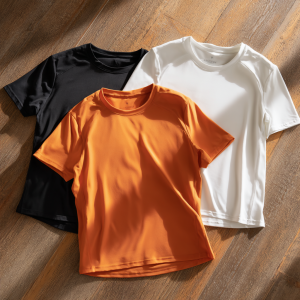
Fashion Product Prototyping is the process of creating preliminary versions of garments or accessories to test design, fit, materials, and production methods before full-scale manufacturing. Prototyping is essential for identifying design flaws, optimizing materials, and ensuring the final product meets both aesthetic and functional requirements.
Traditional prototyping methods often involve excessive material waste, energy consumption, and reliance on non-renewable resources. By integrating sustainability into Fashion Product Prototyping, brands can:
– Reduce waste and resource consumption
– Lower carbon emissions
– Enhance brand reputation and consumer trust
– Drive innovation in materials and processes
Sustainability is no longer an optional add-on but a critical business strategy that influences every stage of product development, starting from the earliest prototype.
Selecting sustainable materials is the cornerstone of eco-friendly Fashion Product Prototyping. This involves:
– Using Organic and Recycled Fibers: Opt for organic cotton, hemp, TENCEL™, or recycled polyester to minimize environmental impact. These fibers require less water, pesticides, and energy during cultivation and processing.
– Sourcing Certified Materials: Look for certifications such as GOTS (Global Organic Textile Standard), OEKO-TEX®, and Recycled Claim Standard (RCS) to ensure material integrity and traceability.
– Exploring Bio-based Innovations: Consider emerging materials like mushroom leather (mycelium), pineapple fiber (Piñatex), and algae-based textiles, which offer biodegradable and renewable alternatives to traditional fabrics.
Material selection for prototypes not only affects the sustainability of the sample itself but also sets the tone for the entire product lifecycle. Using eco-friendly materials early encourages sustainable choices downstream in production.
Digital transformation is revolutionizing Fashion Product Prototyping. By leveraging 3D design software and virtual sampling, brands can:
– Reduce Physical Samples: Minimize the need for multiple fabric samples and physical prototypes, cutting waste and shipping emissions.
– Accelerate Iteration: Quickly test design variations, fit, and colorways in a virtual environment without consuming physical resources.
– Enhance Collaboration: Share digital prototypes with stakeholders globally, streamlining feedback and decision-making without the delays and costs associated with physical sample shipping.
The use of 3D prototyping tools such as CLO 3D, Browzwear, and Optitex not only reduces environmental footprint but also shortens development cycles, enabling brands to respond faster to market demands while maintaining sustainable practices.
Applying lean principles to Fashion Product Prototyping helps eliminate inefficiencies:
– Pattern Efficiency: Use zero-waste pattern cutting and modular design to maximize fabric utilization. Zero-waste design techniques ensure that all fabric is used, leaving no offcuts.
– Batch Prototyping: Group similar prototypes to reduce setup times and material offcuts. This approach reduces waste and optimizes resource use.
– Rapid Prototyping Cycles: Shorten development timelines to respond faster to market trends while minimizing resource use. Rapid cycles reduce the number of iterations needed, lowering material consumption.
Lean prototyping not only benefits sustainability but also reduces costs and accelerates time-to-market, creating a win-win scenario for businesses.
Sustainable Fashion Product Prototyping is only effective when embedded within a responsible supply chain:
– Supplier Audits: Partner with suppliers who adhere to environmental and ethical standards. Conduct regular audits to ensure compliance with sustainability goals.
– Local Sourcing: Reduce transportation emissions by sourcing materials and production closer to the end market. This also supports local economies and reduces lead times.
– Traceability: Implement digital tracking for materials and prototypes to ensure transparency and accountability throughout the supply chain. Technologies such as blockchain can provide immutable records of material origins and processing.
Integrating sustainability into the supply chain ensures that eco-friendly prototyping efforts are supported and amplified through every stage of product development.
Evaluate the environmental impact of prototypes through lifecycle assessment (LCA):
– Assess Inputs and Outputs: Analyze energy, water, and chemical use at every stage of prototyping, from raw material extraction to disposal.
– Design for Disassembly: Create prototypes that can be easily recycled or repurposed, supporting circular fashion models. This includes using mono-materials or easily separable components.
– End-of-life Planning: Consider how prototype materials can be reintegrated into the supply chain or safely biodegraded, reducing landfill waste and pollution.
Lifecycle thinking encourages designers and product developers to consider the full environmental impact of their prototypes, leading to more sustainable decision-making.
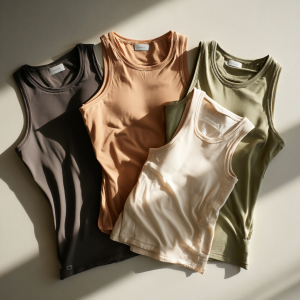
– CLO 3D, Browzwear, and Optitex: These platforms enable designers to create, modify, and visualize garments digitally, reducing reliance on physical samples.
– Advantages: Enhanced fit accuracy, reduced lead times, and lower material waste. Virtual sampling also facilitates easier customization and personalization, which can reduce overproduction.
The adoption of 3D CAD tools is rapidly becoming a best practice in sustainable Fashion Product Prototyping, as it aligns with both environmental and business efficiency goals.
– Computer-controlled Cutting Machines: Minimize fabric waste by optimizing pattern layouts precisely, reducing offcuts and scrap.
– AI-driven Material Planning: Predict material needs and reduce over-ordering, saving resources and costs. Advanced software can analyze historical data and market trends to optimize inventory levels.
Automation and AI integration in prototyping workflows enhance precision and sustainability by reducing human error and material waste.
– Waterless Dyeing Technologies: Such as CO2 dyeing and digital printing, which use significantly less water and fewer chemicals compared to traditional dyeing methods.
– Low-impact Finishes: Employ biodegradable softeners and non-toxic treatments that reduce environmental harm and improve garment safety for consumers.
Incorporating sustainable dyeing and finishing techniques at the prototyping stage ensures that the final product maintains eco-friendly credentials.
– Supplier Engagement: Work closely with suppliers to improve material sourcing and manufacturing practices. Co-develop sustainability initiatives and share best practices.
– Transparency: Use blockchain or digital platforms to track prototype materials from origin to finished sample, ensuring accountability and consumer trust.
Strong partnerships with suppliers committed to sustainability are essential to embedding eco-friendly principles throughout the prototyping process.
– Consolidated Shipping: Reduce carbon footprint by bundling prototype shipments, minimizing transport frequency and emissions.
– Reverse Logistics: Implement systems for returning and recycling prototypes and samples, preventing waste accumulation and promoting circularity.
Optimizing logistics supports sustainability goals by reducing unnecessary environmental impact associated with transportation and disposal.
– Adhering to Standards: Ensure all prototyping activities comply with international sustainability standards and certifications such as ISO 14001 (Environmental Management) and SA8000 (Social Accountability).
– Continuous Improvement: Regularly review and update sustainability goals based on the latest industry best practices and regulatory changes.
Compliance not only mitigates risks but also strengthens brand credibility and market positioning.
– Integrated Approach: Involve designers, engineers, supply chain managers, and sustainability experts from the outset to ensure holistic decision-making.
– Shared Goals: Align on sustainability objectives for each prototyping project to ensure all departments work towards common outcomes.
Cross-functional collaboration fosters innovation and ensures that sustainability is embedded in every aspect of product development.
– Material Databases: Use digital libraries to compare environmental impacts of different materials, enabling informed material selection.
– Prototyping Metrics: Track waste, energy use, and costs associated with each prototype iteration to identify improvement opportunities.
Leveraging data empowers brands to optimize processes and demonstrate measurable sustainability progress.
– Market Testing: Use small-batch or made-to-order prototypes to gauge consumer interest before scaling up production, reducing overproduction and waste.
– Feedback Loops: Incorporate consumer feedback early to reduce the risk of unsellable inventory and align products with market demand.
Consumer engagement helps brands design products that are both sustainable and commercially viable.
Eco-friendly materials and technologies can be more expensive upfront. However, long-term savings from reduced waste, faster development cycles, and enhanced brand value often offset initial investments. Strategic sourcing and innovation can also reduce costs over time.
Transitioning from traditional to sustainable prototyping requires organizational commitment and ongoing training. Start with pilot projects, measure results, and scale successful practices across the business. Change management and leadership buy-in are critical.
Stay informed about emerging materials, digital tools, and regulatory changes. Invest in R&D and foster a culture of continuous improvement to maintain a competitive edge. Collaboration with industry consortia and sustainability networks can accelerate learning.
Sustainability requires transparency across often complex, global supply chains. Brands must invest in digital tools and partnerships to gain visibility and influence supplier practices effectively.
Consumers increasingly demand transparency and sustainability. Brands must communicate their sustainable prototyping efforts clearly and authentically to build trust and loyalty.
Sustainable Fashion Product Prototyping is not just a trend—it’s a business imperative. By adopting eco-friendly materials, leveraging digital tools, optimizing supply chains, and embracing circularity, brands can reduce their environmental footprint and drive innovation. The journey toward sustainability in prototyping demands technical expertise, strategic partnerships, and a commitment to continuous improvement.
Ready to transform your prototyping process and lead in sustainable fashion? Contact our team of experts today to discuss how we can help you make eco-friendly choices that set your brand apart.
Sustainable Fashion Product Prototyping reduces material waste, lowers environmental impact, enhances brand reputation, and can lead to cost savings through efficient processes and material optimization.
Digital tools like 3D design software and virtual sampling platforms minimize the need for physical samples, accelerate design iterations, and reduce shipping emissions, making the prototyping process more sustainable.
The best materials include organic cotton, recycled polyester, TENCEL™, and innovative bio-based fibers such as mushroom leather and pineapple fiber, all of which have a lower environmental footprint.
Brands should partner with certified suppliers, implement traceability systems, source locally when possible, and conduct regular audits to ensure adherence to environmental and ethical standards.
Lifecycle assessment helps brands evaluate the environmental impact of prototypes at every stage, from material sourcing to end-of-life, enabling informed decisions that support sustainability goals.
Hot tags: Eco-Friendly Fashion Sampling, Sustainable Garment Prototyping, Green Clothing Development, Organic Fabric Prototypes, Eco Textile Sampling, Ethical Fashion Prototyping, Low-Waste Garment Samples, Conscious Clothing Design, Eco Fashion Manufacturing, Sustainable Prototype Materials