


Content Menu
● Understanding Fashion Product Prototyping
>> What Is Fashion Product Prototyping?
>> Why Is Prototyping Crucial in Fashion?
● Key Technologies Transforming Fashion Product Prototyping
>> 3D Design and Virtual Sampling
>>> Benefits:
>> Digital Fabric Printing and Material Simulation
>>> Benefits:
>> 3D Printing and Additive Manufacturing
>>> Benefits:
>> Artificial Intelligence and Machine Learning
>>> Benefits:
>> Cloud-Based Collaboration Platforms
>>> Benefits:
● The Impact of Technology on the Fashion Supply Chain
>> Shortening Development Cycles
>> Improving Product Quality and Consistency
>> Enabling Mass Customization
● Innovations to Watch in Fashion Product Prototyping
>> Augmented Reality (AR) and Virtual Reality (VR)
>> Blockchain for Prototyping Traceability
>> Sustainable Material Innovation
● Overcoming Challenges in Technology-Driven Fashion Product Prototyping
>> Integration with Legacy Systems
>> Data Security and Intellectual Property
● Best Practices for Implementing Technology in Fashion Product Prototyping
>> Foster Cross-Functional Collaboration
>> Measure ROI
>> 1. How does 3D design software improve fashion product prototyping?
>> 2. What are the sustainability benefits of digital prototyping?
>> 3. How can AI and machine learning optimize product development?
>> 4. What challenges should companies expect when adopting new prototyping technologies?
>> 5. How does technology enable mass customization in fashion product prototyping?
In the ever-evolving world of fashion, Fashion Product Prototyping stands as a critical phase that bridges creative vision and tangible product. As consumer expectations rise and market cycles accelerate, brands and manufacturers face mounting pressure to innovate faster, reduce costs, and deliver higher quality. Technology is reshaping every aspect of the fashion supply chain, but its impact on prototyping is especially profound. This article explores how cutting-edge technology is revolutionizing fashion product prototyping, the innovations to watch, and what these changes mean for businesses striving to stay ahead.
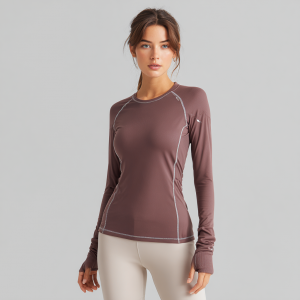
Fashion product prototyping is the process of creating preliminary versions of garments, footwear, or accessories before full-scale production. This stage allows designers, product developers, and manufacturers to evaluate aesthetics, fit, functionality, and manufacturability. Traditionally, prototyping was a manual, time-consuming process involving hand sketches, physical samples, and multiple iterations. Today, technology is transforming this landscape, making prototyping faster, more accurate, and cost-effective.
– Risk Mitigation: Early prototypes help identify design flaws, material issues, and production challenges before mass manufacturing.
– Cost Efficiency: Reducing the number of physical samples lowers material waste and labor costs.
– Speed to Market: Streamlined prototyping accelerates the product development cycle, allowing brands to respond rapidly to trends.
– Stakeholder Alignment: Prototypes serve as visual and functional references, aligning teams across design, merchandising, and production.
Fashion product prototyping is no longer just about creating a sample; it has become a strategic tool that impacts the entire product lifecycle, from concept to consumer.
3D design software enables designers to create digital prototypes, visualize garments on virtual models, and simulate fabric drape and movement. Leading platforms like CLO 3D, Browzwear, and Optitex have become industry standards.
– Rapid Iteration: Designers can make real-time adjustments without producing new physical samples.
– Cost Reduction: Eliminates the need for multiple rounds of physical sampling.
– Enhanced Collaboration: Digital files are easily shared with stakeholders worldwide.
– Fit Accuracy: Virtual fitting tools allow precise adjustments to sizing, reducing returns and dissatisfaction.
The adoption of 3D design tools also supports sustainability by minimizing waste generated from physical samples and enabling brands to explore a wider range of design options virtually.
Digital printing technologies allow for the creation of highly accurate fabric simulations and on-demand sample production. Material simulation tools can replicate the look, feel, and behavior of textiles, enabling realistic virtual prototypes.
– Customization: Designers can test colors, patterns, and textures virtually.
– Sustainability: Reduces fabric waste and environmental impact.
– Speed: Quick turnaround for sample evaluation and approvals.
– Material Innovation: Enables experimentation with new or sustainable fabrics without large upfront costs.
The ability to simulate fabric behavior digitally also helps in assessing how materials perform under different conditions, such as stretch, movement, and wear, which is critical for functional fashion products like sportswear.
3D printing is making waves in Fashion Product Prototyping, especially for accessories, footwear, and complex garment components. Additive manufacturing allows for the creation of intricate shapes and structures that are difficult or impossible to achieve with traditional methods.
– Complexity: Enables innovative designs with unique geometries.
– On-Demand Production: Reduces lead times and inventory costs.
– Material Efficiency: Minimizes waste by using only the necessary material.
– Customization: Facilitates bespoke components and limited-edition pieces.
In footwear, for example, 3D printing allows for the production of midsoles and outsoles with customized cushioning properties tailored to individual needs, bridging prototyping and final product manufacturing.
AI-driven tools are streamlining the prototyping process by automating pattern generation, fit prediction, and trend analysis. Machine learning algorithms analyze vast datasets to optimize design choices and forecast consumer preferences.
– Personalization: AI can suggest design modifications based on customer data.
– Efficiency: Automates repetitive tasks, freeing up creative resources.
– Data-Driven Decisions: Enhances accuracy in sizing, fit, and style selection.
– Trend Forecasting: Helps brands anticipate market shifts and design accordingly.
AI-powered virtual stylists and fit advisors can also enhance the consumer experience by providing personalized recommendations, which feed back into prototyping for better alignment with market demand.
Cloud technology is connecting global teams, enabling seamless collaboration throughout the Fashion Product Prototyping process. Platforms like PLM (Product Lifecycle Management) systems centralize design files, feedback, and version control.
– Real-Time Updates: Stakeholders can review and comment on prototypes instantly.
– Transparency: Tracks changes, approvals, and project milestones.
– Scalability: Supports distributed teams and complex supply chains.
– Integration: Connects design, sourcing, production, and logistics data for holistic management.
Cloud platforms facilitate faster decision-making and reduce errors caused by miscommunication or outdated information, which is crucial in fast-moving fashion markets.
Technology enables brands to compress the traditional product development timeline. Virtual prototyping and digital approvals mean fewer physical samples, faster decision-making, and earlier market launches. This agility is critical in responding to rapid trend cycles and seasonal demands.
By reducing material waste, energy consumption, and unnecessary shipments, technology-driven prototyping supports sustainability goals. Brands can experiment with eco-friendly materials and processes in the virtual realm before committing to physical production. This not only reduces environmental impact but also aligns with growing consumer demand for responsible fashion.
Digital tools improve accuracy in patternmaking, grading, and fit assessment. This leads to higher-quality products, fewer production errors, and greater customer satisfaction. Consistency across production batches is enhanced by precise digital specifications and automated quality checks.
With digital prototyping and AI, brands can offer personalized products at scale. Consumers can visualize customizations in real-time, and manufacturers can produce small batches efficiently. This flexibility opens new revenue streams and strengthens brand loyalty.
Body scanning technology captures precise body measurements, enabling hyper-personalized fit and reducing returns. Integration with 3D design platforms streamlines the transition from scan to prototype. This technology is particularly transformative for made-to-measure and bespoke fashion segments.
AR and VR tools allow designers and buyers to interact with digital prototypes in immersive environments. Virtual showrooms and fitting rooms enhance the evaluation and merchandising process, reducing the need for physical samples and travel.
A digital twin is a virtual replica of a physical product, process, or system. In fashion, digital twins enable real-time monitoring, testing, and optimization of prototypes throughout the product lifecycle. This concept supports predictive maintenance, quality control, and faster iteration.
Blockchain technology provides a transparent, tamper-proof record of prototype development, approvals, and changes. This enhances accountability and intellectual property protection, which is critical in an industry where design theft and counterfeiting are prevalent.
New digital tools are helping brands experiment with sustainable materials, such as bio-based fabrics and recycled fibers, during the prototyping phase. Virtual testing ensures performance and aesthetics before committing to production, accelerating the adoption of green materials.
Many fashion companies operate on legacy software and manual processes. Integrating new technologies requires investment, training, and change management. A phased approach and choosing interoperable systems can ease this transition.
As prototyping moves online, protecting sensitive design data and intellectual property becomes paramount. Secure cloud platforms, encryption, and blockchain can mitigate risks. Companies must establish clear protocols and employee training to safeguard assets.
Adopting advanced prototyping technologies demands new skills in 3D design, data analysis, and digital collaboration. Ongoing training is essential for teams to maximize the benefits. Partnerships with technology providers and educational institutions can support workforce development.
While technology reduces long-term costs, initial investments in software, hardware, and training can be significant. Brands must balance short-term expenses with long-term gains and consider ROI metrics carefully.
Resistance to change is a common barrier. Leadership must communicate the benefits of technology adoption clearly and involve all stakeholders in the transition process to ensure buy-in and smooth implementation.
Pilot new technologies in a limited scope before rolling them out across the organization. Gather feedback, measure results, and iterate quickly to minimize risk and maximize learning.
Encourage collaboration between design, development, production, and IT teams. Cross-functional input ensures that technology solutions address real business needs and integrate smoothly into workflows.
Provide comprehensive training on new tools and platforms. Empower teams to experiment and innovate with technology, fostering a culture of continuous improvement.
Implement robust security protocols to protect digital assets and sensitive information throughout the prototyping process. Regular audits and updates help maintain security standards.
Track key performance indicators such as time-to-market, sample reduction, cost savings, and product quality improvements to evaluate the impact of technology investments and guide future decisions.
The integration of technology into Fashion Product Prototyping is not just a trend—it’s a necessity for brands seeking to thrive in a competitive, fast-paced market. From 3D design and AI to blockchain and sustainable materials, the innovations shaping prototyping today are setting the stage for the future of fashion. By embracing these advancements, businesses can accelerate product development, reduce costs, improve quality, and meet the demands of modern consumers.
Ready to transform your fashion product prototyping process? Contact our team of experts today to discover how cutting-edge technology can drive your next collection from concept to market with speed, precision, and sustainability.
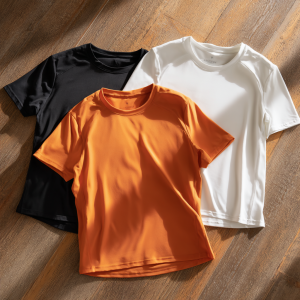
3D design software allows designers to create digital prototypes, visualize garments in various styles and sizes, and make real-time adjustments. This reduces the need for physical samples, shortens development cycles, and lowers costs while enhancing collaboration and creativity.
Digital prototyping minimizes fabric waste, reduces energy consumption, and limits unnecessary shipping by enabling virtual sample reviews and approvals. Brands can also test eco-friendly materials virtually before committing to production, supporting sustainability goals.
AI and machine learning automate pattern generation, fit prediction, and trend analysis. These technologies help brands personalize products, streamline workflows, and make data-driven decisions that improve product quality and customer satisfaction.
Common challenges include integrating new tools with legacy systems, ensuring data security, upskilling teams, and managing initial investment costs. Successful adoption requires careful planning, training, and cross-functional collaboration.
Technology allows brands to offer personalized products at scale by enabling consumers to visualize customizations in real-time. Digital prototyping and on-demand manufacturing make it feasible to produce small batches efficiently, meeting diverse customer preferences.
Hot tags: Fashion Prototyping Tech Tools, Digital Fashion Sampling, Garment CAD Design Tools, Fashion Tech Innovations, 3D Fashion Prototyping, AI in Apparel Sampling, Virtual Clothing Prototypes, Technology in Fashion Development, Apparel Simulation Software, Smart Garment Development