


Content Menu
● What is Fashion Product Prototyping?
● The Importance of Prototyping in Fashion
● Key Stages of the Fashion Product Prototyping Process
>> 1. Ideation and Concept Development
>> 2. Technical Design and Specification
>> 6. Revision and Finalization
>> 7. Pre-Production Sample and Production Approval
● Technical Considerations in Fashion Product Prototyping
>> Integration of Technology and Innovation
● Supply Chain Insights for Effective Prototyping
>> Lead Times
● Best Practices in Fashion Product Prototyping
● Common Challenges and Solutions
● FAQs
>> 1. What is the typical timeline for Fashion Product Prototyping?
>> 2. How many prototype samples are usually needed before production?
>> 3. Can digital prototyping fully replace physical samples?
>> 4. What are the key documents needed for effective Fashion Product Prototyping?
>> 5. How can brands ensure sustainable Fashion Product Prototyping?
In today’s rapidly evolving fashion industry, Fashion Product Prototyping is the linchpin that transforms creative concepts into tangible, market-ready products. This comprehensive guide will walk you through every aspect of fashion product prototyping, from initial ideation to final sample approval, emphasizing technical expertise, supply chain dynamics, and product development strategies. Whether you’re an established brand, a startup, or an independent designer, mastering the art and science of prototyping is crucial for accelerating time-to-market, minimizing costs, and ensuring product excellence.
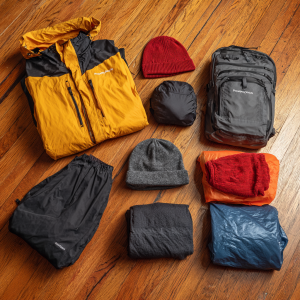
Fashion Product Prototyping is the process of creating an initial, physical or digital sample of a fashion item before mass production. It serves as a bridge between design and manufacturing, allowing brands to test, refine, and validate their concepts. Prototyping encompasses everything from sketching and digital modeling to fabric selection, pattern making, and garment construction.
Prototypes can be physical (made from actual materials) or virtual (3D digital models). Both types serve to evaluate fit, aesthetics, functionality, and manufacturability, ensuring the final product aligns with the designer’s vision and consumer expectations.
The evolution of prototyping technologies has made this process more accessible and efficient than ever. Traditional prototyping, which relied heavily on handcrafting and multiple physical samples, is now complemented by digital tools that allow for rapid iteration and visualization. This hybrid approach enables fashion brands to innovate faster while maintaining high standards of quality.
Fashion Product Prototyping is indispensable for several reasons:
– Risk Mitigation: Early prototypes help identify design flaws, fit issues, and production challenges, reducing costly mistakes during mass manufacturing.
– Accelerated Time-to-Market: Rapid prototyping shortens development cycles, enabling brands to respond quickly to trends and consumer demands.
– Cost Efficiency: Detecting and correcting issues at the prototyping stage minimizes waste and optimizes resource allocation.
– Enhanced Communication: Prototypes facilitate clearer communication between designers, technical teams, and manufacturers, aligning everyone on product expectations.
– Market Validation: Prototypes can be used for focus groups, trade shows, and pre-sales, gathering valuable feedback before full-scale production.
– Sustainability: By identifying issues early, brands reduce material waste and unnecessary production runs, supporting more sustainable practices.
In an industry where trends shift rapidly and consumer preferences are ever-changing, the ability to prototype effectively can be a game-changer. It empowers brands to innovate boldly while managing risks and costs efficiently.
The process begins with creative brainstorming, mood boards, and initial sketches. Designers outline the vision, silhouette, materials, and intended market. This stage sets the foundation for the entire product development cycle. Collaboration between creative and technical teams ensures that the concept is both innovative and feasible.
Technical designers translate concepts into detailed tech packs, including measurements, construction details, trims, and material specifications. This documentation is essential for accurate prototyping and serves as a blueprint for manufacturers. A well-prepared tech pack reduces errors and streamlines communication.
Patterns are developed either manually or using CAD software. Accurate pattern making is fundamental to achieving the desired fit and style. Modern CAD tools enable precise adjustments and grading, which are critical for maintaining consistency across size ranges.
A first sample, or “proto sample,” is constructed using the chosen materials. This stage may involve several iterations to refine fit, construction, and aesthetics. Sample makers and manufacturers play a crucial role here, bringing technical expertise and craftsmanship to the prototype.
The sample is fitted on a mannequin or model. Teams assess the garment’s drape, comfort, and adherence to design intent, noting necessary adjustments. Fit sessions often involve cross-functional teams, including designers, technical designers, and quality control specialists.
Based on feedback, the prototype is revised—sometimes multiple times—until it meets all requirements. Final samples are approved for production. This iterative process ensures the product is market-ready and meets brand standards.
Before full-scale manufacturing, a pre-production sample (PPS) is created to confirm that all revisions have been implemented correctly. This sample undergoes final quality checks and approval, serving as the benchmark for bulk production.

Choosing the right fabric and trims is critical. Material properties such as weight, stretch, drape, and durability directly impact the prototype’s performance. Testing fabric behavior under different conditions (washing, wear, etc.) during prototyping helps avoid surprises post-production.
Seam types, stitching methods, and finishing details must be carefully selected to ensure both aesthetics and functionality. For example, flatlock seams may be preferred for sportswear to reduce chafing, while French seams might be used in luxury garments for a clean finish.
Prototypes must be tested for fit across target size ranges. Grading ensures the product maintains its intended look and comfort in all sizes. Advances in 3D body scanning and virtual fitting technologies are increasingly integrated into this stage to improve accuracy.
3D prototyping tools like CLO3D, Browzwear, and Optitex allow virtual sampling, reducing physical waste and speeding up the iteration process. Digital prototypes can simulate fabric behavior, fit, and movement, enabling designers to make informed decisions before physical samples are made.
Prototypes may undergo lab testing for colorfastness, shrinkage, and safety standards, especially for children’s wear and performance apparel. Ensuring compliance with regional regulations (such as REACH in Europe or CPSIA in the US) during prototyping prevents costly recalls and reputational damage.
Emerging technologies such as AI-driven design tools, 3D printing for accessories, and smart textiles are increasingly incorporated into the prototyping process. These innovations enhance customization, reduce lead times, and open new possibilities for product differentiation.
Early engagement with suppliers and manufacturers fosters transparency, improves material sourcing, and streamlines production planning. Collaborative relationships enable faster problem-solving and innovation during prototyping.
Understanding lead times for materials, sample making, and shipping is essential for realistic project timelines. Delays in any part of the supply chain can cascade, affecting launch dates and market opportunities.
Prototyping costs can escalate if not managed carefully. Negotiating sample costs, consolidating shipments, and leveraging digital tools can optimize budgets. Brands should also consider the trade-off between speed and cost to make strategic decisions.
Implementing robust quality checks at the prototyping stage prevents downstream issues and ensures consistency in mass production. This includes fabric inspection, seam strength testing, and color matching.
Eco-friendly prototyping practices, such as using recycled materials and minimizing sample waste, align brands with modern consumer values and regulatory requirements. Supply chain transparency and ethical sourcing are also key components of sustainable prototyping.
Supply chain disruptions—from raw material shortages to geopolitical factors—can impact prototyping timelines. Developing contingency plans and maintaining diversified supplier networks help mitigate these risks.
– Start with Clear Tech Packs: Comprehensive documentation minimizes miscommunication and rework.
– Leverage Digital Tools: 3D modeling and virtual sampling reduce time and material waste.
– Iterate Quickly: Rapid prototyping cycles enable faster decision-making and innovation.
– Engage Cross-Functional Teams: Involve design, technical, sourcing, and marketing teams early for holistic product development.
– Document Every Change: Maintain detailed records of all prototype iterations to track progress and inform future collections.
– Invest in Skilled Sample Makers: Experienced sample makers bring craftsmanship and problem-solving skills that are invaluable during prototyping.
– Focus on Fit and Functionality: Prioritize fit and wearability alongside aesthetics to ensure customer satisfaction.
– Incorporate Consumer Feedback: Use prototypes for market testing and incorporate real-world feedback into final designs.
– Plan for Scalability: Design prototypes with manufacturing scalability in mind to avoid costly adjustments later.
– Adopt Sustainable Practices: Reduce waste, choose eco-friendly materials, and optimize sample runs to support environmental goals.
| Challenge | Solution |
|---|---|
| Miscommunication with factories | Use detailed tech packs and regular video calls |
| Material delays | Build buffer time into schedules and source backup suppliers |
| Fit issues across sizes | Implement robust grading and multiple fit sessions |
| High prototyping costs | Utilize digital prototyping and negotiate with vendors |
| Sustainability concerns | Adopt eco-friendly materials and minimize sample iterations |
| Supply chain disruptions | Maintain diversified suppliers and contingency plans |
| Balancing speed and quality | Prioritize critical features and use rapid prototyping tools |
Fashion Product Prototyping is both an art and a science, requiring a blend of creativity, technical acumen, and supply chain savvy. Brands that invest in robust prototyping processes enjoy faster time-to-market, superior product quality, and greater customer satisfaction. As consumer expectations rise and competition intensifies, mastering fashion product prototyping is not just an advantage—it’s a necessity.
By integrating advanced technologies, fostering supplier collaboration, and embracing sustainable practices, your brand can streamline product development and deliver innovative, high-quality fashion products that resonate with today’s discerning consumers.
Ready to bring your fashion vision to life? Contact our team of experts today to streamline your prototyping journey, reduce costs, and accelerate your path to market success. Let’s create the future of fashion together.
The timeline varies based on complexity, but a standard fashion product prototyping cycle ranges from 2 to 8 weeks. Digital prototyping can shorten this to as little as a few days for simple products. Complex garments with intricate details or special materials may require longer lead times.
Most brands require 2–4 prototype iterations before approving a final sample. The first is a basic fit sample, followed by revised versions addressing feedback on fit, construction, and materials. Some brands may require additional samples for special collections or high-end products.
While digital prototyping offers speed and cost advantages, physical samples are still necessary for final fit, fabric hand-feel, and production approval. However, many brands now use digital samples for early-stage validation, which reduces the number of physical samples needed.
Essential documents include tech packs, measurement charts, BOM (Bill of Materials), pattern files, and sample request forms. These ensure all stakeholders are aligned on requirements and help avoid costly errors.
Brands can adopt sustainable practices by using recycled materials, minimizing sample waste, leveraging digital prototyping, and selecting suppliers with strong environmental credentials. Additionally, designing for durability and recyclability contributes to long-term sustainability.
Hot tags: Fashion Product Prototyping Guide, Complete Clothing Prototype Guide, Apparel Sample Development Process, Garment Prototyping Essentials, Fashion Product Creation Overview, Clothing Prototyping Explained, How to Make Fashion Samples, End-to-End Apparel Prototyping, Beginner’s Guide to Garment Sampling, Prototype Roadmap for Fashion