


Content Menu
● The Importance of Fashion Product Prototyping
● Top 5 Fashion Product Prototyping Mistakes
>> 1. Lack of Clear Objectives and Technical Specifications
>>> Why This Happens
>>> How to Avoid It
>> 2. Skipping or Rushing the Iteration Process
>>> Why This Happens
>>> How to Avoid It
>> 3. Ignoring Supply Chain and Material Sourcing Complexities
>>> Why This Happens
>>> How to Avoid It
>> 4. Underestimating the Importance of User Feedback and Testing
>>> Why This Happens
>>> How to Avoid It
>> 5. Poor Communication and Collaboration Across the Value Chain
>>> Why This Happens
>>> How to Avoid It
● Supply Chain Insights for Fashion Product Prototyping
>> Leveraging Technology in the Supply Chain
>> Sustainability Considerations in Prototyping
● Best Practices for Successful Fashion Product Prototyping
>> 1. What is the role of prototyping in fashion product development?
>> 2. How many prototype iterations are typically needed?
>> 3. How can I find the right manufacturer for my fashion prototype?
>> 4. What factors influence the cost of fashion product prototyping?
>> 5. Should I share my prototype with buyers before production?
Fashion product prototyping is the linchpin of successful apparel development. In today’s hyper-competitive market, brands must move from concept to consumer faster than ever—without sacrificing quality or profitability. Yet, many fashion businesses, from startups to established labels, stumble at the prototyping stage, leading to costly delays, supply chain disruptions, and missed opportunities. This article explores the top five mistakes in fashion product prototyping, offers actionable strategies to avoid them, and provides deep insights into supply chain management and product development best practices.
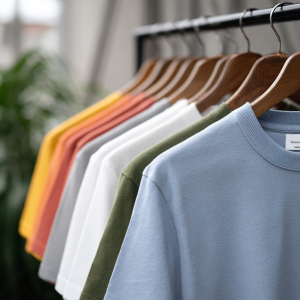
Fashion product prototyping is more than just creating a sample garment; it’s a comprehensive process that validates design, fit, function, and manufacturability before mass production. A robust prototyping phase allows brands to:
– Test and refine design concepts
– Identify and correct construction issues early
– Align with market trends and consumer expectations
– Optimize supply chain efficiency
– Reduce production costs and time-to-market
Neglecting this critical stage can result in wasted resources, unsellable inventory, and reputational damage.
A common pitfall in fashion product prototyping is embarking on development without detailed objectives or technical specifications. Vague sketches or incomplete tech packs often lead to prototypes that miss the mark in fit, function, or aesthetics.
– Rushed ideation without market research
– Inadequate communication between design and technical teams
– Insufficient documentation of measurements, trims, and finishes
– Develop comprehensive tech packs detailing every aspect of the design (measurements, materials, trims, Pantone colors)
– Clearly define target customer profiles and intended use cases
– Foster collaboration between designers, pattern makers, and sample makers from the outset
Expanding on Technical Specifications:
Technical specifications are the backbone of successful fashion product prototyping. They serve as the blueprint that guides the entire development process. A well-prepared tech pack should include detailed flat sketches, construction details, fabric composition, colorways, hardware specifications, and labeling instructions. Without this level of detail, manufacturers may misinterpret the design intent, resulting in prototypes that require costly rework.
Moreover, integrating 3D design software and virtual prototyping tools can enhance clarity and reduce miscommunications. These technologies allow designers and manufacturers to visualize the product before physical samples are made, saving time and resources.
Many brands, eager to launch, skip essential rounds of prototype testing or rush through revisions. This shortcut can result in unresolved design flaws surfacing during mass production.
– Pressure to meet seasonal deadlines
– Underestimating the time required for revisions
– Budget constraints
– Schedule multiple prototype iterations into your product development timeline
– Solicit feedback from internal teams and target consumers after each round
– Use each iteration to test fit, construction, and material performance under real-world conditions
The Value of Iterative Prototyping:
Iteration is not merely a luxury but a necessity in fashion product prototyping. Each round of prototyping provides critical data points on garment fit, construction quality, and material behavior. For example, a fabric that looks perfect on paper may behave differently once cut and sewn, affecting drape and comfort.
By embracing an iterative approach, brands can identify and resolve potential issues early, such as seam weaknesses, color inconsistencies, or sizing inaccuracies. This process also allows for creative refinement, enabling the product to evolve in alignment with consumer preferences and market trends.
Additionally, leveraging agile methodologies in product development can help teams adapt quickly to feedback and reduce cycle times without compromising quality.
Overlooking the realities of material sourcing and supply chain logistics is a frequent mistake in fashion product prototyping. Brands may select fabrics or trims that are unavailable at scale, have long lead times, or are cost-prohibitive, disrupting production plans.
– Focusing solely on design aesthetics without considering manufacturability
– Poor communication with suppliers
– Lack of transparency in sourcing channels
– Engage suppliers early in the prototyping process to confirm material availability, lead times, and costs
– Build relationships with multiple vendors to mitigate risks of shortages or delays
– Incorporate supply chain management software for real-time tracking and forecasting
Deep Dive into Supply Chain Realities:
Fashion supply chains are complex and often global, involving multiple tiers of suppliers and manufacturers. A fabric sourced from a mill in Italy may require months of lead time, while trims might be produced in Asia with variable quality standards. Ignoring these factors during prototyping can lead to mismatched expectations and delayed product launches.
To mitigate these risks, brands should adopt a proactive sourcing strategy. This includes verifying minimum order quantities (MOQs), understanding customs regulations, and assessing supplier reliability. Digital tools such as ERP (Enterprise Resource Planning) and SCM (Supply Chain Management) systems provide visibility into inventory levels, shipment statuses, and supplier performance metrics.
Furthermore, sustainable sourcing is becoming increasingly important. Brands incorporating eco-friendly materials must verify certifications and supply chain transparency during prototyping to ensure compliance and consumer trust.
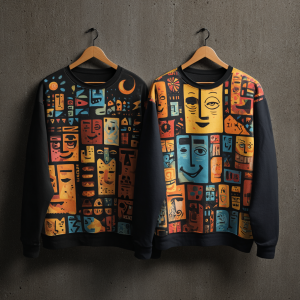
Fashion product prototyping that ignores end-user feedback often results in products that fail to meet market expectations. Skipping real-world testing can lead to issues with fit, comfort, durability, or style relevance.
– Overconfidence in internal design decisions
– Limited access to target consumers
– Budget or time constraints
– Conduct fit sessions and wear tests with diverse body types
– Gather structured feedback through surveys or focus groups
– Iterate prototypes based on actionable insights from real users
User-Centered Prototyping:
Incorporating consumer feedback during prototyping is essential to ensure the product resonates with its intended audience. Fit models representing different body shapes and sizes provide invaluable insights into sizing accuracy and comfort. Wear tests simulate real-world conditions, revealing how materials perform over time and under stress.
Beyond fit, aesthetic appeal and functional features should be validated through consumer panels or influencer collaborations. Digital platforms can facilitate remote feedback collection, expanding reach and diversity.
Brands that prioritize user input reduce the risk of costly recalls, returns, and negative reviews. This customer-centric approach also fosters brand loyalty and enhances market positioning.
Fashion product prototyping requires seamless collaboration between design, development, sourcing, and manufacturing teams. Breakdown in communication leads to misunderstandings, costly errors, and production delays.
– Siloed departments with misaligned goals
– Inadequate use of digital collaboration tools
– Language and cultural barriers in global supply chains
– Implement centralized product lifecycle management (PLM) systems
– Schedule regular cross-functional meetings to align on goals and progress
– Use visual collaboration platforms to share updates, revisions, and feedback in real time
Enhancing Cross-Functional Collaboration:
The fashion industry often involves multiple stakeholders spread across different geographies and time zones. Without effective communication channels, critical information can be lost or delayed, impacting prototype quality and timelines.
PLM systems serve as a single source of truth, integrating design files, tech packs, supplier data, and production schedules. This transparency enables teams to track changes, assign responsibilities, and monitor progress efficiently.
Moreover, fostering a culture of open communication and mutual respect among teams encourages proactive problem-solving. Training programs that address cultural differences and language barriers can further smooth collaboration.
Digital tools such as Slack, Microsoft Teams, and Trello complement PLM by facilitating instant messaging, video conferencing, and task management, ensuring that everyone stays aligned.
The fashion supply chain is a complex, global network. Effective prototyping is intrinsically linked to supply chain agility, cost management, and risk mitigation. Key insights include:
– Agility: Small-batch prototyping allows for rapid iteration, but requires flexible manufacturing partners and real-time inventory tracking.
– Cost Control: Early engagement with suppliers helps avoid costly material substitutions or production stoppages.
– Demand Forecasting: Leveraging predictive analytics ensures prototypes align with market demand, reducing overproduction and markdowns.
– Quality Assurance: Rigorous prototype testing and supplier audits uphold brand standards and minimize returns.
Modern fashion brands increasingly rely on technology to streamline prototyping and supply chain management. Artificial intelligence (AI) and machine learning algorithms analyze historical sales data and consumer trends to forecast demand accurately. This data-driven approach informs material procurement and prototype development, reducing waste and excess inventory.
Blockchain technology is also gaining traction for enhancing transparency and traceability in the supply chain. By recording every transaction and movement of materials on an immutable ledger, brands can verify authenticity and ethical sourcing, which is critical for consumer trust and compliance.
Sustainability is no longer optional in fashion product development. Prototyping offers an opportunity to evaluate the environmental impact of materials and processes before scaling production. Brands can test organic or recycled fabrics, low-impact dyes, and biodegradable trims during prototyping to assess feasibility.
Additionally, adopting circular design principles—such as designing for disassembly or recyclability—can be integrated into the prototyping phase. This forward-thinking approach not only supports environmental goals but also appeals to a growing segment of eco-conscious consumers.
– Start with Market Research: Identify trends and consumer needs before sketching your first design.
– Develop Detailed Tech Packs: Document every aspect of your product, from construction to packaging.
– Engage Suppliers Early: Confirm material availability and production capacity before finalizing designs.
– Iterate and Test: Allocate time and budget for multiple rounds of prototyping and user feedback.
– Leverage Technology: Use PLM and supply chain management tools for transparency and efficiency.
– Foster Collaboration: Break down silos between departments and partners for seamless development.
– Prioritize Sustainability: Integrate eco-friendly materials and circular design principles during prototyping.
– Monitor Costs Closely: Track prototyping expenses and adjust scope to stay within budget without compromising quality.
Fashion product prototyping is the foundation of a successful apparel business. Avoiding the top five mistakes—lack of clear objectives, skipping iterations, ignoring supply chain realities, neglecting user feedback, and poor collaboration—can dramatically improve product quality, reduce time-to-market, and boost profitability. By investing in robust prototyping processes, leveraging supply chain insights, and fostering cross-functional collaboration, brands can achieve sustainable growth and market leadership.
Ready to elevate your fashion product prototyping process? Our team of experts specializes in end-to-end product development, supply chain optimization, and technical consulting. Contact us today for a personalized consultation and transform your ideas into best-selling products!
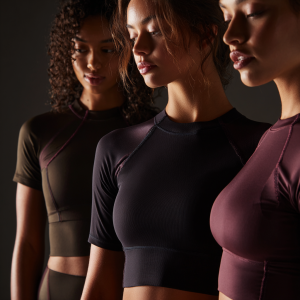
Fashion product prototyping transforms a design concept into a tangible sample, allowing brands to test fit, construction, and manufacturability before mass production. It reduces risk, ensures quality, and aligns the final product with market expectations.
Most successful fashion products undergo several rounds of prototyping. The exact number depends on design complexity and feedback from fit sessions, but at least two to three iterations are common to ensure all issues are resolved before production.
Look for manufacturers with experience in your product category and a track record of quality prototyping. Use platforms that connect brands to vetted factories and sample makers, and always request references or samples before committing.
Costs vary based on design complexity, material selection, number of iterations, and who is making the prototype. Budget $1,500–$5,000 for a new product, but costs can be higher for intricate designs or premium materials.
It’s best to wait until your prototype closely resembles the final product before presenting to buyers. However, sharing early versions for feedback can be valuable—just be transparent about the development stage and lead times.
Hot tags: Common Prototyping Errors, Garment Design Mistakes, Avoid Fashion Sampling Pitfalls, Fashion Product Development Fails, Apparel Prototype Tips, Fix Fashion Prototyping Issues, Clothing Line Sampling Mistakes, Fashion Startup Errors to Avoid, Improve Your Apparel Prototype, Prototyping Best Practices