


Content Menu
● The New Landscape of Fashion Product Prototyping
● Key Trends Transforming Fashion Product Prototyping
>> 1. Digital Prototyping and 3D Sampling
>> 2. AI-Driven Design and Personalization
>> 3. Sustainable Material Innovation
>> 4. Agile and Predictive Supply Chains
>> 5. Collaborative Platforms and PLM Integration
● Fashion Product Prototyping and the Supply Chain
● FAQ
>> 1. What is fashion product prototyping, and why is it important?
>> 2. How does digital prototyping differ from traditional methods?
>> 3. What role does AI play in fashion product prototyping?
>> 4. How does sustainable prototyping benefit brands and the environment?
>> 5. How can supply chain optimization improve fashion product prototyping?
In today’s hyper-competitive market, fashion product prototyping is no longer just a technical step—it’s a strategic advantage. The rapid evolution of consumer preferences, sustainability demands, and digital transformation have redefined how brands develop, test, and launch new products. Staying ahead requires an in-depth understanding of the latest trends, from 3D digital sampling to predictive analytics, and a mastery of the supply chain that supports them.
This article explores the cutting-edge trends shaping fashion product prototyping in 2025 and beyond. We’ll dive into the technologies, processes, and supply chain strategies that leading brands use to accelerate product development, minimize risk, and deliver exceptional value to customers. Whether you’re a startup or an established player, this guide will help you leverage innovation for business growth.
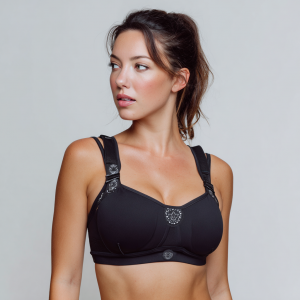
Fashion product prototyping has evolved from manual, labor-intensive sampling to a sophisticated, technology-driven discipline. Brands now expect their prototyping process to deliver:
– Speed-to-market: Rapid iteration and reduced lead times.
– Cost efficiency: Fewer physical samples, less waste, and optimized resource allocation.
– Customization: Ability to tailor products to individual consumer needs.
– Sustainability: Minimizing environmental impact through smarter materials and processes.
– Risk mitigation: Early detection of design, fit, and production issues.
This transformation is powered by digital tools, intelligent data analysis, and a supply chain that is both agile and transparent.
The shift to digital prototyping is arguably the most significant trend in fashion product prototyping. Brands leverage 3D design software to create, visualize, and adjust garments in a virtual environment before a single piece of fabric is cut. Key benefits include:
– Faster Design Iteration: Designers can make real-time adjustments, reducing the number of physical samples needed.
– Cost Reduction: Digital samples eliminate material waste and shipping costs associated with traditional prototyping.
– Enhanced Collaboration: Teams can share and review prototypes globally, accelerating decision-making.
– Sustainability: Less physical sampling means lower carbon footprint and reduced landfill waste.
Digital prototyping also enables virtual fit sessions, where avatars with precise body measurements test garments for fit and movement. This not only refines the product but also supports inclusive sizing and personalized fashion.
Moreover, advancements in augmented reality (AR) and virtual reality (VR) are enhancing digital prototyping experiences. Designers and stakeholders can immerse themselves in a virtual showroom, examining textures, colors, and garment drape in lifelike detail. This immersive approach reduces miscommunication and streamlines approvals, significantly cutting down the prototyping cycle.
Artificial intelligence is revolutionizing fashion product prototyping by enabling brands to analyze massive datasets—consumer preferences, trend forecasts, and sales history—to inform design decisions. AI applications in prototyping include:
– Predictive Design: AI suggests design elements likely to succeed in the market.
– Personalized Prototyping: Algorithms create custom patterns for individual customers, supporting made-to-measure and on-demand production.
– Automated Pattern Making: AI accelerates the translation of design concepts into technical patterns, reducing manual labor and errors.
The integration of AI with 3D prototyping tools allows for rapid generation of multiple design variants based on consumer data, enabling brands to test and optimize styles before physical production. This data-driven approach minimizes guesswork and aligns product development with real-time market demand.
Additionally, AI-powered chatbots and virtual stylists are increasingly used to gather direct consumer feedback on prototype concepts, further refining designs and enhancing personalization. This creates a feedback loop that tightens the connection between brand innovation and customer satisfaction.
Sustainability is no longer optional—it’s a core requirement for modern fashion product prototyping. Brands are investing in:
– Eco-friendly Materials: Prototyping with organic, recycled, or biodegradable textiles to minimize environmental impact.
– Digital Fabric Printing: Reduces water and chemical usage compared to traditional dyeing methods, while enabling intricate, customizable designs.
– Circular Prototyping: Designing prototypes with end-of-life in mind, ensuring materials can be reused or recycled.
Beyond materials, innovative prototyping processes are emerging to support sustainability goals. For example, zero-waste pattern making techniques optimize fabric usage, reducing offcuts and scrap during sample creation. Some brands are experimenting with biofabricated materials—such as mushroom leather or lab-grown textiles—that offer new aesthetic and functional possibilities while drastically lowering environmental footprints.
Sustainable prototyping also involves transparency in the supply chain. Brands increasingly track the provenance of materials used in prototypes, ensuring ethical sourcing and compliance with environmental standards. This transparency builds consumer trust and meets rising regulatory requirements.
The integration of predictive analytics and real-time data into the supply chain is transforming how prototypes move from concept to production. Key developments include:
– Demand Planning: Data-driven forecasting ensures prototypes align with actual market demand, reducing overproduction.
– Inventory Optimization: Real-time tracking prevents costly stockouts or excess inventory.
– Flexible Production: Agile manufacturing partners can quickly scale up or down based on prototype performance and consumer feedback.
Brands like Zara and H&M exemplify the power of a responsive supply chain, using predictive tools to shorten lead times and capitalize on fast-moving trends.
In addition, blockchain technology is gaining traction in supply chain management for prototyping. It offers immutable records of material origin, production steps, and quality checks, enhancing traceability and accountability. This technology supports compliance with sustainability claims and improves supplier collaboration.
The rise of nearshoring and reshoring is another trend impacting supply chains. By relocating production closer to key markets, brands reduce lead times and increase flexibility in prototyping and small-batch manufacturing. This proximity enables faster iterations and better quality control.
Product Lifecycle Management (PLM) systems and collaborative platforms are now central to fashion product prototyping. They provide:
– Centralized Data: All design, material, and technical information is stored in one place, accessible to all stakeholders.
– Version Control: Ensures the latest prototype specifications are used, reducing costly errors.
– Supplier Collaboration: Seamless communication with suppliers and sample makers speeds up approvals and revisions.
These platforms enable brands to manage complex product lines, coordinate global teams, and maintain quality across every prototype iteration.
The integration of PLM with other enterprise systems—such as ERP (Enterprise Resource Planning) and CRM (Customer Relationship Management)—creates a unified ecosystem that supports end-to-end product development. This connectivity enhances visibility from design through production to retail, allowing for better decision-making and faster response to market feedback.
Cloud-based collaborative tools also facilitate remote work and cross-functional teamwork, which has become essential in a globalized fashion industry. Real-time updates and instant feedback loops reduce bottlenecks and improve prototype accuracy.
Fashion product prototyping is deeply intertwined with the supply chain. The efficiency of prototyping directly impacts:
– Time-to-market: Faster prototyping means quicker launches and greater responsiveness to trends.
– Cost structure: Early identification of design flaws or material issues prevents expensive corrections later.
– Supplier relationships: Clear communication and rapid feedback loops strengthen partnerships and ensure quality.
– Sustainability goals: Reduced sampling and smarter material choices minimize waste throughout the supply chain.
The modern supply chain is built on transparency, data integration, and the ability to pivot quickly in response to consumer and market signals.
Moreover, the supply chain’s role in prototyping extends beyond manufacturing. Logistics providers, material suppliers, and technology vendors all contribute to the prototyping ecosystem. Efficient coordination among these players ensures that prototypes are developed with speed and precision, avoiding delays that can erode competitive advantage.
To maximize supply chain effectiveness, brands are adopting a multi-tier supplier management approach. This strategy involves monitoring not only direct suppliers but also their sub-suppliers, ensuring quality and sustainability standards are upheld throughout the chain. This comprehensive oversight is critical for fashion product prototyping, where material quality and consistency are paramount.
Fashion product prototyping is at the heart of innovation, sustainability, and competitive advantage in the apparel industry. The latest trends—digital prototyping, AI-driven design, sustainable materials, agile supply chains, and collaborative platforms—are not just buzzwords; they are essential tools for brands that want to lead, not follow.
By embracing these trends, your business can accelerate product development, reduce risk, and deliver products that delight customers while meeting environmental and market demands. The brands that invest in advanced fashion product prototyping today will define the industry’s future.
Are you ready to transform your fashion product prototyping process and stay ahead of the curve? Contact our expert team today for a personalized consultation. Let’s turn your ideas into market-ready products—faster, smarter, and more sustainably than ever before.
Fashion product prototyping is the process of creating preliminary versions of garments or accessories to test design, fit, and functionality before full-scale production. It’s crucial for identifying and resolving issues early, ensuring quality, and reducing costly production errors.
Digital prototyping uses 3D modeling and virtual sampling to create and test garment designs in a virtual environment. This approach reduces the need for physical samples, speeds up the design process, and minimizes waste compared to traditional, manual prototyping.
AI enhances fashion product prototyping by analyzing trends, automating pattern making, and enabling personalized designs. It helps brands predict what styles will succeed and allows for rapid customization to meet individual consumer preferences.
Sustainable prototyping uses eco-friendly materials and processes, such as digital fabric printing and circular design principles. This reduces environmental impact, appeals to conscious consumers, and often lowers costs by minimizing waste.
An optimized supply chain ensures that prototypes are developed, tested, and produced efficiently. Predictive analytics, real-time data sharing, and agile manufacturing reduce lead times, prevent overproduction, and enable brands to respond quickly to market changes.
Hot tags: Fashion Prototyping Trends 2025, Apparel Sampling Innovations, Emerging Clothing Development Tools, New Garment Prototype Techniques, Fashion Design Trends in Sampling, Apparel Prototyping Forecast, Fashion Tech Trends, Prototype Material Trends, Garment Sampling Industry News, Clothing Development Trends