


Content Menu
● The Role of Materials in Fashion Product Prototyping
● Key Categories of Prototyping Materials
>>> Commonly Used Fabrics in Prototyping
>>> Advanced Fabric Technologies in Prototyping
>>> Examples of Trims and Notions
>> Alternative and Sustainable Materials
>>> Sustainable Prototyping Materials
>> Digital and 3D Printing Materials
>>> Common Digital Prototyping Materials
>>> Benefits
● Supply Chain and Sourcing Insights
>> Sourcing Strategies for Prototyping Materials
>> Impact of Global Trends on Material Sourcing
● Best Practices in Material Selection for Prototyping
● FAQs
>> 1. What is the most commonly used fabric for fashion product prototyping?
>> 2. How do sustainable materials impact the prototyping process?
>> 3. Why are trims and hardware important in fashion product prototyping?
>> 4. Can 3D printing be used for all types of fashion product prototyping?
>> 5. How can brands manage costs during the prototyping phase?
In the fast-paced world of fashion, product prototyping is a critical step in transforming creative concepts into tangible products. The process of fashion product prototyping bridges the gap between design and production, allowing brands to test ideas, refine details, and optimize the supply chain before full-scale manufacturing begins. One of the most important decisions during prototyping is the selection of materials, as these choices directly influence cost, quality, functionality, sustainability, and the overall success of the final product.
This comprehensive article explores the materials commonly used in fashion product prototyping, delving into their technical properties, supply chain considerations, and strategic importance. Whether you are a fashion entrepreneur, product developer, or supply chain manager, understanding material selection for prototyping will empower you to make informed decisions that drive innovation and efficiency.
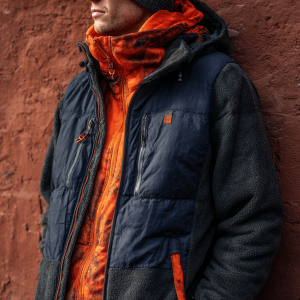
Material selection is the backbone of fashion product prototyping. The right materials ensure that prototypes accurately represent the final product’s look, feel, and performance. Material choices during prototyping impact:
– Design validation: Ensuring the prototype matches the designer’s vision.
– Functionality testing: Assessing comfort, durability, and usability.
– Cost forecasting: Estimating production expenses.
– Supply chain planning: Identifying reliable suppliers and lead times.
– Sustainability goals: Meeting environmental and ethical standards.
Selecting appropriate materials early in the prototyping phase can prevent costly redesigns and delays later in the product development cycle.
Fabrics are the primary component of most fashion prototypes. The choice of fabric depends on the intended product category (e.g., apparel, accessories, footwear) and the desired properties such as drape, stretch, texture, and breathability.
– Cotton: Widely used for its versatility, comfort, and affordability. Ideal for initial prototypes of shirts, dresses, and casual wear.
– Polyester: Durable, wrinkle-resistant, and cost-effective. Often used for sportswear and outerwear prototypes.
– Nylon: Known for strength and elasticity. Used in activewear, lingerie, and performance garments.
– Wool: Provides warmth and texture, suitable for prototyping winter apparel.
– Rayon and Viscose: Offer silk-like feel at lower cost, used for drapey garments and linings.
– Muslin: A low-cost, plain-woven cotton fabric, muslin is a prototyping staple for initial pattern testing and sample making.
– Weight and thickness: Affect the drape and structure of the prototype.
– Weave and knit type: Influence stretch, breathability, and appearance.
– Color and finish: May be less important in early prototypes but critical for final samples.
In recent years, technical fabrics with specialized properties have become increasingly important in fashion product prototyping. These include moisture-wicking, antimicrobial, UV-protection, and stretch fabrics. Incorporating these materials early in prototyping allows brands to evaluate the performance of garments under real-world conditions, especially in activewear and outdoor apparel segments.
For example, prototypes made with moisture-wicking polyester blends help designers assess breathability and comfort, while antimicrobial finishes can be tested for durability after multiple washes. This level of technical insight is essential for brands aiming to differentiate their products through innovation.
Trims and notions are essential for completing prototypes and testing product functionality.
– Threads: Polyester or cotton threads are chosen for strength and compatibility.
– Elastics: Used in waistbands, cuffs, and fitted garments.
– Interfacings: Provide structure and support in collars, cuffs, and waistbands.
– Labels and tags: Included for branding and compliance testing.
– Ribbons, laces, and decorative elements: Used to test aesthetic appeal and construction techniques.
Using representative trims ensures that the prototype functions as intended and highlights any potential issues with assembly or wear. For example, selecting the correct thread type and thickness can prevent seam puckering or breakage during wear tests. Similarly, testing elastics for stretch and recovery ensures garment fit and comfort.
Moreover, trims often have supply chain implications. Some trims may be sourced from specialized suppliers with longer lead times or minimum order quantities, so early prototyping with these elements helps identify potential bottlenecks.
Hardware elements such as zippers, buttons, snaps, and buckles are integral to many fashion prototypes.
– Metal: Durable and often used in outerwear, denim, and accessories.
– Plastic: Lightweight and cost-effective, suitable for children’s wear and casual products.
– Natural materials: Wood, shell, or horn for luxury and eco-friendly prototypes.
– Coated metals and specialty finishes: For corrosion resistance and aesthetic variation.
Prototyping with actual or similar hardware allows for testing ease of use, durability, and aesthetic compatibility. For instance, zipper quality can be evaluated for smooth operation and resistance to jamming, while button size and placement can be tested for ergonomics and visual balance.
Hardware also plays a key role in supply chain and cost management. Some specialized fasteners may require longer lead times or higher costs, so identifying these needs during prototyping helps avoid production delays.
Sustainability is increasingly important in fashion product prototyping. Brands are exploring materials that reduce environmental impact without compromising quality.
– Organic cotton: Grown without harmful chemicals.
– Recycled polyester: Made from post-consumer plastic bottles.
– Bamboo and hemp: Renewable, biodegradable fibers.
– Vegan leather: Alternatives made from polyurethane or plant-based sources.
– Biodegradable trims: Buttons and fasteners from cornstarch or coconut shell.
– Natural dyes and finishes: Reduce chemical use and environmental footprint.
Sourcing sustainable materials may involve longer lead times or higher costs, but aligns with consumer demand and regulatory requirements. Early prototyping with sustainable materials allows brands to validate their eco-friendly claims and make adjustments before mass production.
Additionally, sustainable materials often require specialized handling or certifications, which must be integrated into the supply chain planning. This can include organic certifications, recycled content verification, or compliance with environmental standards such as OEKO-TEX or GOTS.
With advancements in technology, digital prototyping and 3D printing are revolutionizing fashion product prototyping.
– PLA (Polylactic Acid): A biodegradable plastic used in 3D-printed accessories and footwear components.
– TPU (Thermoplastic Polyurethane): Flexible, durable, and ideal for prototyping soles and wearable tech.
– Resins: Used for detailed, high-resolution prototypes.
– Nylon powders: Used in selective laser sintering (SLS) for durable, flexible parts.
– Rapid iteration: Allows for quick changes and testing.
– Cost savings: Reduces waste and material costs in early stages.
– Customization: Enables unique shapes and structures not possible with traditional materials.
– Integration with CAD: Seamless transition from digital design to physical prototype.
Digital prototyping also supports sustainability by reducing fabric waste and enabling virtual fitting and visualization before physical samples are made. This technology is especially valuable for accessories, footwear, and complex garment components.
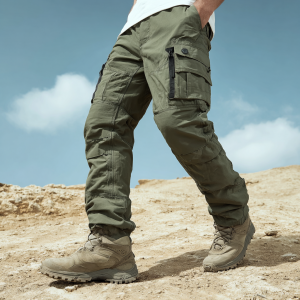
– Local vs. global suppliers: Local sourcing can reduce lead times, while global suppliers may offer broader material options.
– MOQ (Minimum Order Quantity): Prototyping typically requires small quantities; finding suppliers willing to accommodate low MOQs is essential.
– Lead times: Early engagement with suppliers ensures timely delivery of materials.
– Quality assurance: Prototyping materials should match production materials as closely as possible to avoid discrepancies.
– Supplier diversification: Having multiple suppliers reduces risk of disruption.
– Bulk purchasing: For frequently used prototyping materials, bulk buying can reduce costs.
– Supplier relationships: Building strong partnerships with material suppliers improves flexibility and reliability.
– Sustainability certifications: Verifying supplier credentials supports ethical sourcing and brand reputation.
– Contingency planning: Preparing alternatives in case of supply chain disruptions.
Global events such as geopolitical tensions, pandemics, and environmental regulations can affect material availability and costs. For example, tariffs on certain fibers or trims may increase expenses, while stricter environmental laws can limit the use of some chemical finishes.
Fashion brands engaged in prototyping must stay informed about these trends and incorporate flexibility into their sourcing strategies. This might include developing local supplier networks, investing in sustainable alternatives, or adopting digital prototyping to reduce dependency on physical materials.
1. Align with Final Product Requirements: Choose materials that closely mimic the properties of the intended production materials to ensure accurate testing of fit, feel, and performance.
2. Test for Performance: Evaluate how materials behave during assembly, wear, laundering, and real-world use to identify potential issues early.
3. Consider Cost Efficiency: Balance material quality with budget constraints, using lower-cost substitutes for early-stage prototypes when appropriate.
4. Prioritize Sustainability: Opt for eco-friendly materials to meet consumer expectations and regulatory demands, and to future-proof your brand.
5. Document and Iterate: Keep detailed records of material choices, supplier information, and prototype outcomes to inform continuous improvement and streamline production.
6. Integrate Cross-Functional Teams: Collaborate closely among designers, product developers, and supply chain managers to ensure material choices support all aspects of product success.
7. Leverage Technology: Utilize digital prototyping and 3D printing to accelerate iteration cycles and reduce waste.
Material selection is a cornerstone of successful fashion product prototyping. By understanding the properties, supply chain dynamics, and strategic implications of different prototyping materials, brands can accelerate product development, control costs, and deliver superior products to market. Whether you’re launching a new collection or refining an existing line, investing in the right materials and prototyping processes will set your brand apart in a competitive industry.
Ready to take your fashion product prototyping to the next level? Our expert team can help you source the best materials, optimize your supply chain, and streamline your product development process. Contact us today to discuss your next project and unlock your brand’s potential!
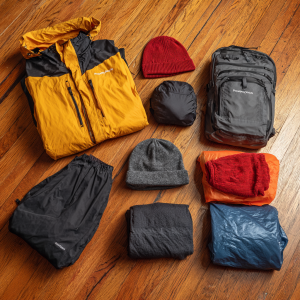
Muslin is widely used for initial fashion product prototyping due to its affordability, ease of handling, and ability to accurately test patterns and fit. For more advanced prototypes, brands often use fabrics that closely resemble the final production material.
Sustainable materials may require longer sourcing times and potentially higher costs, but they align with consumer preferences and regulatory trends. Using eco-friendly materials in prototyping demonstrates a brand’s commitment to sustainability and can streamline the transition to green production.
Trims and hardware are essential for testing the functionality and aesthetics of a prototype. They help identify potential assembly challenges and ensure the final product meets quality standards.
3D printing is ideal for accessories, footwear components, and experimental designs, but it may not be suitable for all apparel prototypes. It offers rapid iteration and customization, making it a valuable tool in the prototyping toolkit.
Brands can manage costs by sourcing from suppliers with low MOQs, using alternative materials for early prototypes, and building strong supplier relationships. Bulk purchasing and early planning also help control expenses.
Hot tags: Common Fashion Prototyping Materials, Garment Sample Fabric Types, Clothing Prototype Material Guide, Textile Options for Prototyping, Best Fabrics for Samples, Apparel Prototype Material List, Material Selection for Prototypes, Fabric Testing in Fashion Sampling, Sustainable Sample Materials, Material Trends in Fashion